
Advanced Certificate in Bioarchaeology and Human Osteology
Gain expertise in analyzing human remains, enhancing career prospects in archaeology, anthropology, and forensic science fields.
Advanced Certificate in Bioarchaeology and Human Osteology
Programme Overview
The Advanced Certificate in Bioarchaeology and Human Osteology is a specialized programme designed for archaeologists, anthropologists, and forensic scientists seeking to deepen their understanding of human osteology and its applications in bioarchaeology. This programme covers the analysis of human remains in archaeological contexts, encompassing topics such as skeletal anatomy, mortuary practices, and the reconstruction of past human diets and lifestyles.
Through a combination of lectures, seminars, and laboratory-based training, learners develop practical skills in human osteology, including the identification and analysis of skeletal remains, the diagnosis of disease and trauma, and the interpretation of funerary practices. Learners also acquire knowledge of statistical and computational methods used in bioarchaeological research, enabling them to critically evaluate and contribute to the field.
Graduates of this programme are well-equipped to pursue careers in archaeological research, forensic anthropology, and cultural resource management, with the skills and expertise to inform policy, practice, and academic debate in these fields.
What You'll Learn
The Advanced Certificate in Bioarchaeology and Human Osteology is a specialized programme that equips professionals with the knowledge and skills to analyze human remains and reconstruct the lives of past populations. In today's professional landscape, bioarchaeologists and human osteologists play a crucial role in forensic science, archaeology, and anthropology, making this programme highly valuable and relevant.
Key topics covered include human osteology, paleopathology, funerary archaeology, and isotopic analysis, providing students with a comprehensive understanding of the theoretical and methodological frameworks underlying bioarchaeological research. The programme also focuses on developing practical competencies in skeletal analysis, excavation techniques, and laboratory methods, enabling students to collect and analyze data effectively.
Graduates of this programme apply their skills in real-world settings, such as forensic laboratories, museums, and archaeological field units, where they contribute to the identification of human remains, the reconstruction of past lifestyles, and the development of heritage management policies. With their expertise in human osteology and bioarchaeology, graduates can pursue career advancement opportunities in senior research positions, academic institutions, and cultural resource management firms, where they can lead projects, supervise teams, and shape the direction of bioarchaeological research and practice. The programme's emphasis on specialized skills, such as skeletal trauma analysis and stable isotope analysis, also prepares graduates for roles in forensic science and archaeological consulting.
Programme Highlights
Industry-Aligned Curriculum
Developed with industry leaders for job-ready skills
Globally Recognised Certificate
Recognised by employers across 180+ countries
Flexible Online Learning
Study at your own pace with lifetime access
Instant Access
Start learning immediately, no application process
Constantly Updated Content
Latest industry trends and best practices
Career Advancement
87% report measurable career progression within 6 months
Topics Covered
- Human Osteology: Studies human bones and skeletons.
- Bioarchaeology: Analyzes human remains to reconstruct past.
- Forensic Anthropology: Applies osteology to forensic science.
- Paleopathology: Examines ancient diseases and injuries.
- Archaeothanatology: Studies ancient burial and funeral practices.
- Human Evolution: Explores human evolutionary history and development.
What You Get When You Enroll
Key Facts
Target Audience: Archaeologists, anthropologists, forensic scientists, and students seeking specialisation in bioarchaeology and human osteology.
Prerequisites: No formal prerequisites required, but a background in biology, archaeology, or anthropology is beneficial.
Learning Outcomes:
Analyse human skeletal remains to determine age, sex, and ancestry.
Identify and interpret pathological conditions and trauma in human remains.
Apply osteological techniques to reconstruct past human diets and lifestyles.
Evaluate the significance of bioarchaeological findings in archaeological and forensic contexts.
Develop skills in reporting and presenting bioarchaeological data.
Assessment Method: Quiz-based assessment to evaluate understanding of key concepts and techniques.
Certification: Industry-recognised digital certificate awarded upon successful completion of the course.
Ready to Advance Your Career?
Join thousands of professionals who have transformed their careers with LSBR UK
Why This Course
The field of bioarchaeology and human osteology is rapidly evolving, with new discoveries and advancements continually reshaping our understanding of human history and development. Professionals seeking to stay at the forefront of this field should consider the 'Advanced Certificate in Bioarchaeology and Human Osteology' programme, which offers a unique blend of theoretical and practical training.
The programme provides specialized training in human osteology, allowing professionals to develop a deeper understanding of skeletal anatomy and its applications in forensic science, archaeology, and anthropology. This expertise can significantly enhance career prospects, particularly in fields where human remains are frequently encountered, such as forensic labs or archaeological excavation sites. By mastering osteological analysis, professionals can contribute to high-profile cases and research projects, making a meaningful impact in their field.
The programme's emphasis on bioarchaeological methods and techniques enables professionals to critically evaluate and interpret human remains in their archaeological context, shedding light on past human lives and cultures. This skillset is highly valued in academic and research institutions, where bioarchaeologists play a crucial role in reconstructing human history and informing contemporary social and cultural debates.
The programme's interdisciplinary approach, combining anthropology, archaeology, and forensic science, fosters a comprehensive understanding of human osteology and its relevance to various fields, from paleopathology to forensic anthropology. This broad-based knowledge equips professionals to collaborate effectively with specialists from diverse backgrounds, driving innovative research and applications in bioarchaeology and human
3-4 Weeks
Study at your own pace
Course Brochure
Download our comprehensive course brochure with all details
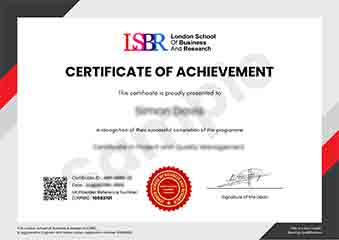
Sample Certificate
Preview the certificate you'll receive upon successful completion of this program.
Get Free Course Info
Receive detailed course information, curriculum breakdown, and career outcomes straight to your inbox.
Employer Sponsored?
Many employers cover professional development costs. Request a corporate invoice and we'll handle the rest. Bulk enrollment discounts available for teams of 3+.
Your Path to Certification
Four simple steps to your professionally recognised qualification
Enroll & Get Instant Access
Complete your enrollment and access course materials immediately
Study at Your Own Pace
Work through the modules on your schedule, from anywhere in the world
Complete Assessments
Demonstrate your knowledge through practical, real-world assessments
Receive Your Certificate
Get your official LSBR UK certificate, recognised across 180+ countries
Join Thousands Who Transformed Their Careers
Our graduates consistently report measurable career growth and professional advancement after completing their programmes.
What People Say About Us
Hear from our students about their experience with the Advanced Certificate in Bioarchaeology and Human Osteology at LSBR UK - Executive Education.
James Thompson
United Kingdom"The course material was incredibly comprehensive, covering a wide range of topics from human skeletal anatomy to archaeological excavation methods, which significantly enhanced my understanding of bioarchaeology and human osteology. Through the course, I gained valuable practical skills in osteological analysis, including age and sex estimation, and trauma analysis, which I believe will be highly beneficial in my future career as an archaeologist. The knowledge and skills I acquired have not only deepened my passion for the field but also increased my confidence in pursuing a career in bioarchaeology."
Emma Tremblay
Canada"The Advanced Certificate in Bioarchaeology and Human Osteology has been instrumental in elevating my career as a forensic anthropologist, providing me with specialized knowledge and skills that are highly valued in my field. I've developed a unique ability to analyze and interpret human remains, which has enabled me to take on more complex cases and collaborate effectively with law enforcement agencies and researchers. This certification has not only enhanced my professional credibility but also opened up new opportunities for career advancement and specialization in a highly competitive industry."
Jack Thompson
Australia"The course structure was well-organized, allowing me to seamlessly progress from foundational concepts to more complex topics in bioarchaeology and human osteology, which significantly enhanced my understanding of the subject. The comprehensive content covered a wide range of areas, including laboratory analysis and field methods, providing me with a solid foundation for real-world applications in the field. Through this course, I gained valuable knowledge that will undoubtedly contribute to my professional growth and future endeavors in the field of bioarchaeology."
Still deciding?
Join 23,000+ professionals who advanced their careers. Enroll today and start learning immediately.
Enroll NowSecure payment • Instant access • Certificate included