
Advanced Certificate in Designing for Accessibility: Inclusive Human Factors
This certificate equips professionals to design accessible products and environments, enhancing usability for diverse users and promoting inclusivity.
Advanced Certificate in Designing for Accessibility: Inclusive Human Factors
Programme Overview
The 'Advanced Certificate in Designing for Accessibility: Inclusive Human Factors' targets professionals who create digital products. This includes designers, developers, and user experience specialists who want to ensure their work is accessible to everyone. First, you will learn about the principles of inclusive design. Next, you will dive into practical techniques for implementing accessibility features.
First, gain hands-on experience with assistive technologies. Then, apply these skills to real-world projects. Finally, you will understand how to test and validate designs for accessibility. By the end, you will be equipped to create inclusive digital experiences, ensuring no one is left behind.
What You'll Learn
Dive into the future of design with our 'Advanced Certificate in Designing for Accessibility: Inclusive Human Factors.' First, you'll gain expertise in creating inclusive experiences. Next, you'll learn to apply human factors principles to real-world challenges. Moreover, you'll master the latest tools and technologies for accessibility design. Additionally, you'll benefit from expert-led workshops and case studies.
This course stands out as it equips you with practical skills, not just theory. Furthermore, you'll tackle hands-on projects. Importantly, you'll gain confidence in designing for diverse needs.
Careers in accessibility design are booming. Thus, graduates can pursue roles as accessibility specialists, UX designers, or inclusive design consultants. Enroll today, and become a champion of inclusive design. Transform lives by making the world a more accessible place.
Programme Highlights
Industry-Aligned Curriculum
Developed with industry leaders to ensure practical, job-ready skills valued by employers worldwide.
Expert Faculty
Learn from experienced professionals with real-world expertise in your chosen field.
Flexible Learning
Study at your own pace, from anywhere in the world, with our flexible online platform.
Industry Focus
Practical, real-world knowledge designed to meet the demands of today's competitive job market.
Latest Curriculum
Stay ahead with constantly updated content reflecting the latest industry trends and best practices.
Career Advancement
Unlock new opportunities with a globally recognized qualification respected by employers.
Topics Covered
- Introduction to Accessibility and Inclusive Design: Understand the principles and importance of accessibility in design.
- Universal Design Principles: Learn and apply the seven principles of universal design.
- Accessibility Standards and Guidelines: Study key accessibility standards such as WCAG and ADA.
- Designing for Different Abilities: Explore specific design considerations for various disabilities.
- Assistive Technologies and Tools: Familiarize with tools and technologies that enhance accessibility.
- User Testing and Feedback: Conduct user testing with diverse participants to improve designs.
Key Facts
Audience:
Professionals aiming to enhance accessibility in design.
Individuals eager to learn about inclusive human factors.
Those who want to create products and services for all users.
Prerequisites:
Basic understanding of design principles.
No prior experience in accessibility is necessary.
A willingness to learn and apply new concepts.
Outcomes:
Identify barriers to accessibility in design.
Design inclusively, considering diverse user needs.
Evaluate and improve accessibility in existing designs.
Apply human factors principles to real-world projects.
Why This Course
First, this certificate equips learners with vital skills. It teaches how to design for all users. It ensures that products and services are usable by everyone, including those with disabilities.
Next, it boosts career prospects. As accessibility becomes more essential, professionals with these skills are in high demand. Moreover, this certificate can open doors to new opportunities.
Finally, it fosters empathy and understanding. Learners can gain insights into the challenges faced by users with different abilities. This understanding can drive more inclusive design practices.
Programme Title
Advanced Certificate in Designing for Accessibility: Inclusive Human Factors
Course Brochure
Download our comprehensive course brochure with all details
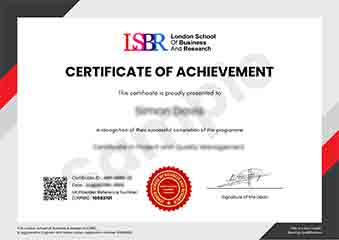
Sample Certificate
Preview the certificate you'll receive upon successful completion of this program.
Pay as an Employer
Request an invoice for your company to pay for this course. Perfect for corporate training and professional development.
What People Say About Us
Hear from our students about their experience with the Advanced Certificate in Designing for Accessibility: Inclusive Human Factors at LSBR UK - Executive Education.
Charlotte Williams
United Kingdom"The course content was incredibly comprehensive, covering everything from the basics of accessibility to advanced design principles. I gained practical skills that I can immediately apply to my work, such as conducting accessibility audits and designing inclusive user interfaces, which has already made me more confident and effective in my role."
Madison Davis
United States"This course has been a game-changer for my career in UX design. I've gained practical skills in creating accessible designs that are not only compliant with standards but also enhance user experience, making me more competitive in the job market. The industry-relevant projects and real-world case studies have equipped me with the confidence to tackle accessibility challenges head-on, leading to immediate improvements in my professional projects."
Zoe Williams
Australia"The course structure was exceptionally well-organized, with each module building seamlessly on the previous one, making complex topics in accessibility design easy to grasp. The comprehensive content not only deepened my understanding of inclusive human factors but also provided practical insights that I can directly apply to my professional projects, enhancing my ability to create more accessible designs."