
Advanced Certificate in Documenting Dying Languages: Fieldwork Techniques
This certificate equips learners with essential fieldwork techniques for documenting endangered languages, preserving linguistic diversity.
Advanced Certificate in Documenting Dying Languages: Fieldwork Techniques
Programme Overview
The Advanced Certificate in Documenting Dying Languages: Fieldwork Techniques is a comprehensive program designed for linguists, anthropologists, and cultural heritage preservationists dedicated to the documentation, revitalization, and analysis of endangered languages. This program provides a robust foundation in the methodologies and techniques essential for conducting fieldwork in diverse linguistic communities. Participants will learn to design and implement effective data collection strategies, analyze and transcribe audio and video recordings, and manage digital archives.
Key skills and knowledge developed through this program include proficiency in linguistic documentation techniques, such as elicitation, corpus building, and ethnographic research methods. Learners will also gain expertise in the use of linguistic software and digital tools for data management and analysis. The program emphasizes the importance of community engagement and ethical considerations in language documentation, ensuring that the process respects and benefits the cultural community from which the language is derived.
This program significantly impacts careers in linguistics, education, cultural preservation, and community development. Graduates are well-equipped to contribute to language revitalization projects, educational programs, and community-based initiatives aimed at preserving endangered languages. They are also prepared to conduct independent research and collaborate with international organizations and academic institutions dedicated to the study and documentation of linguistic diversity.
What You'll Learn
The Advanced Certificate in Documenting Dying Languages: Fieldwork Techniques is an intensive program designed for linguists, anthropologists, and cultural preservationists dedicated to safeguarding endangered languages. This program equips participants with cutting-edge methodologies and practical skills in language documentation, revitalization, and linguistic analysis. Key topics include phonology, morphology, syntax, semantics, and discourse analysis, tailored to the unique challenges of documenting languages in their final stages of use.
Through immersive fieldwork experiences, students learn to develop ethnographic skills, engage with communities, and record linguistic data using modern technology. The program emphasizes ethical considerations in language documentation and the importance of community involvement and consent. Graduates apply these skills in various settings, including academic research, language revitalization programs, and cultural heritage institutions. They contribute to the preservation of linguistic diversity, enhance cross-cultural understanding, and support the rights of linguistic minorities.
Career opportunities are diverse, ranging from positions in academic institutions, non-profit organizations, and government agencies focused on cultural and linguistic preservation. Graduates may also work as language documentation specialists, field linguists, or language revitalization coordinators. This program not only enhances participants' professional competencies but also fosters a deep respect for linguistic and cultural diversity, positioning them at the forefront of language documentation and preservation efforts.
Programme Highlights
Industry-Aligned Curriculum
Developed with industry leaders for job-ready skills
Globally Recognised Certificate
Recognised by employers across 180+ countries
Flexible Online Learning
Study at your own pace with lifetime access
Instant Access
Start learning immediately, no application process
Constantly Updated Content
Latest industry trends and best practices
Career Advancement
87% report measurable career progression within 6 months
Topics Covered
- Foundational Concepts: Covers the core principles and key terminology.: Language Documentation Basics: Introduces essential tools and practices for recording language data.
- Linguistic Analysis Techniques: Teaches methods for analyzing and categorizing language data.: Community Engagement Strategies: Explains how to build and maintain relationships with language communities.
- Digital Documentation Tools: Reviews software and digital methods for language preservation.: Ethical Considerations in Fieldwork: Discusses ethical guidelines and considerations for linguists working with endangered languages.
What You Get When You Enroll
Key Facts
Audience: Language preservation professionals, anthropologists
Prerequisites: Basic knowledge of linguistics, fieldwork experience
Outcomes: Mastered documentation techniques, enhanced language preservation skills
Ready to Advance Your Career?
Join thousands of professionals who have transformed their careers with LSBR UK
Why This Course
Professional Growth: The Advanced Certificate in Documenting Dying Languages: Fieldwork Techniques provides a comprehensive understanding of methodologies and techniques essential for preserving endangered languages. This enhances your ability to conduct effective linguistic research, making you a valuable asset in academia, NGOs, and governmental organizations focused on cultural preservation.
Career Versatility: Acquiring this certificate broadens your career opportunities. It equips you with skills in data collection, analysis, and documentation, which are applicable in diverse fields such as linguistics, anthropology, and education. This diversification can lead to roles in language documentation, cultural heritage projects, and educational programs aimed at preserving linguistic diversity.
Empathy and Cultural Sensitivity: The program emphasizes the importance of cultural context in language documentation. This deepens your understanding and respect for different cultures, enhancing your ability to work effectively with indigenous communities. Such sensitivity is crucial for building trust and ensuring the successful documentation of endangered languages.
Technical and Methodological Expertise: You will gain hands-on experience with cutting-edge technologies and methodologies used in language documentation. This includes digital tools for data management and analysis, as well as fieldwork techniques that are specifically designed for capturing and preserving linguistic data. These skills are highly sought after in both academic and applied settings, making you a versatile and technically proficient professional.
3-4 Weeks
Study at your own pace
Course Brochure
Download our comprehensive course brochure with all details
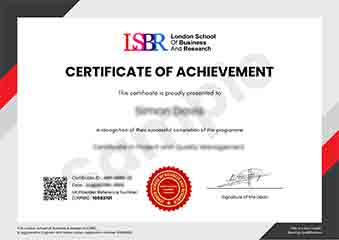
Sample Certificate
Preview the certificate you'll receive upon successful completion of this program.
Get Free Course Info
Receive detailed course information, curriculum breakdown, and career outcomes straight to your inbox.
Employer Sponsored?
Many employers cover professional development costs. Request a corporate invoice and we'll handle the rest. Bulk enrollment discounts available for teams of 3+.
Your Path to Certification
Four simple steps to your professionally recognised qualification
Enroll & Get Instant Access
Complete your enrollment and access course materials immediately
Study at Your Own Pace
Work through the modules on your schedule, from anywhere in the world
Complete Assessments
Demonstrate your knowledge through practical, real-world assessments
Receive Your Certificate
Get your official LSBR UK certificate, recognised across 180+ countries
Join Thousands Who Transformed Their Careers
Our graduates consistently report measurable career growth and professional advancement after completing their programmes.
What People Say About Us
Hear from our students about their experience with the Advanced Certificate in Documenting Dying Languages: Fieldwork Techniques at LSBR UK - Executive Education.
Sophie Brown
United Kingdom"The course provided an in-depth look at documenting endangered languages, with high-quality materials that covered everything from linguistic theory to practical fieldwork techniques. Gaining hands-on skills in data collection and analysis has been incredibly valuable for my career in language preservation."
Madison Davis
United States"This course has been incredibly valuable, equipping me with essential skills in documenting endangered languages. It has not only deepened my understanding of linguistic fieldwork but also opened up new career opportunities in language preservation and cultural documentation."
Sophie Brown
United Kingdom"The course is meticulously organized, providing a clear pathway from theoretical foundations to practical fieldwork techniques, which has significantly enhanced my understanding and approach to documenting endangered languages. The comprehensive content and real-world applications have not only deepened my knowledge but also prepared me for professional challenges in the field."
Still deciding?
Join 23,000+ professionals who advanced their careers. Enroll today and start learning immediately.
Enroll NowSecure payment • Instant access • Certificate included