
Advanced Certificate in Genetic Engineering of Aquatic Microbes
This advanced certificate equips professionals with expertise in genetic engineering techniques for aquatic microbes, enhancing aquatic health and productivity.
Advanced Certificate in Genetic Engineering of Aquatic Microbes
About This Course
The Advanced Certificate in Genetic Engineering of Aquatic Microbes is designed for professionals in the biotechnology, aquatic sciences, and environmental sectors, including researchers, scientists, and engineers who wish to deepen their expertise in genetic engineering techniques applied to aquatic microbes. This comprehensive programme equips learners with a robust understanding of genetic principles, molecular biology techniques, and advanced genetic tools specifically tailored for aquatic environments. Through hands-on laboratory work and theoretical instruction, participants will gain proficiency in gene manipulation, vector construction, and the application of genetic engineering to enhance the productivity and sustainability of aquatic ecosystems.
Key skills and knowledge developed through this programme include the ability to design and execute genetic experiments, understand the molecular mechanisms underlying microbial interactions with the environment, and apply genetic engineering to address challenges in aquaculture, bioremediation, and climate change mitigation. Learners will also develop a deep understanding of regulatory frameworks and ethical considerations associated with genetic engineering in aquatic settings.
Upon completion, participants will be well-prepared to advance their careers in academic research, industrial biotechnology, environmental consulting, and governmental regulatory roles. The programme's rigorous curriculum and practical focus ensure that graduates are at the forefront of genetic engineering advancements in aquatic environments, ready to contribute to innovative solutions that promote both environmental health and economic sustainability.
What You Will Learn
The Advanced Certificate in Genetic Engineering of Aquatic Microbes is a cutting-edge program designed for individuals seeking to advance their expertise in the manipulation and application of aquatic microbial genomes. This program equips participants with the knowledge and skills to engineer aquatic microbes for sustainable aquaculture, bioremediation, and bioenergy production. Key topics include molecular biology techniques, genetic transformation methodologies, and the use of next-generation sequencing technologies. Graduates leverage these skills to develop innovative solutions for environmental challenges and improve aquatic health and productivity.
Upon completion, participants are well-prepared to contribute to research and development in industries such as marine biotechnology, environmental conservation, and public health. They can work in academic institutions, research laboratories, and biotech companies, focusing on projects that enhance food security, clean up contaminated water bodies, and develop sustainable biofuels. The program's practical approach, combining theoretical knowledge with hands-on laboratory experience, ensures that graduates are adept at translating scientific discoveries into real-world applications, fostering a bridge between research and industry innovation.
Course Benefits
Industry-Aligned Curriculum
Developed with industry leaders for job-ready skills
Globally Recognised Certificate
Recognised by employers across 180+ countries
Flexible Online Learning
Study at your own pace with lifetime access
Instant Access
Start learning immediately, no application process
Constantly Updated Content
Latest industry trends and best practices
Career Advancement
87% report measurable career progression within 6 months
What This Course Covers
- Fundamentals of Genetic Engineering: Introduces basic principles of genetic engineering and its applications in aquatic microbes.: Microbial Genomics: Focuses on the analysis and interpretation of microbial genomes.
- Vector Construction: Teaches the design and creation of vectors for genetic transformation.: Transformation Techniques: Covers various methods for introducing foreign DNA into aquatic microbes.
- Metabolic Engineering: Explores strategies for modifying metabolic pathways in aquatic microbes.: Environmental Applications: Discusses the use of genetically engineered aquatic microbes in environmental remediation and bioremediation.
Everything You Get With This Course
Course Facts
Audience: Graduate students, professionals in biotechnology
Prerequisites: Basic biology, chemistry knowledge
Outcomes: Understand genetic engineering techniques, develop aquatic microbial strains
Ready to Advance Your Career?
Join thousands of professionals who have transformed their careers with LSBR UK
Why This Course Is Right for You
Enhance Professional Competence: Acquiring an Advanced Certificate in Genetic Engineering of Aquatic Microbes equips professionals with specialized knowledge in biotechnology, microbiology, and genetic engineering. This certification is particularly valuable for researchers, scientists, and technicians in aquaculture, biotechnology companies, and environmental research institutions, as it deepens their understanding of genetic manipulation techniques tailored to aquatic organisms.
Career Advancement and Specialization: The certificate offers a pathway for career growth, allowing professionals to specialize in areas like genetic enhancement of fish and shellfish, biocontrol of aquatic pathogens, and the development of sustainable aquatic farming practices. This specialization can lead to leadership roles and higher positions in academic institutions, research organizations, and industry.
Addressing Global Challenges: With the world facing challenges such as climate change and food security, professionals with this certification can contribute to innovative solutions. They can develop strategies to improve the resilience of aquatic species, enhance crop yields in aquaculture, and mitigate environmental impacts. This makes the certification not only a professional asset but also a means to contribute to global sustainability efforts.
3-4 Weeks
Study at your own pace
Course Brochure
Download our comprehensive course brochure with all details
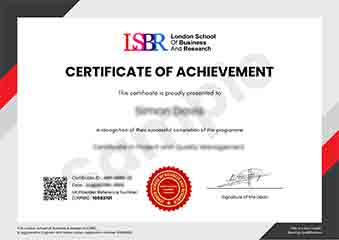
Sample Certificate
Preview the certificate you'll receive upon successful completion of this program.
Get Free Course Info
Receive detailed course information, curriculum breakdown, and career outcomes straight to your inbox.
Employer Sponsored?
Many employers cover professional development costs. Request a corporate invoice and we'll handle the rest. Bulk enrollment discounts available for teams of 3+.
How You Earn Your Certificate
Four simple steps to your professionally recognised qualification
Enroll & Get Instant Access
Complete your enrollment and access course materials immediately
Study at Your Own Pace
Work through the modules on your schedule, from anywhere in the world
Complete Assessments
Demonstrate your knowledge through practical, real-world assessments
Receive Your Certificate
Get your official LSBR UK certificate, recognised across 180+ countries
Real Results from Real Learners
Our graduates consistently report measurable career growth and professional advancement after completing their programmes.
Reviews from Our Learners
Hear from our students about their experience with the Advanced Certificate in Genetic Engineering of Aquatic Microbes at LSBR UK - Executive Education.
Sophie Brown
United Kingdom"The course content was incredibly thorough, covering advanced genetic engineering techniques that are directly applicable to real-world research. Gaining hands-on experience in manipulating aquatic microbes has significantly enhanced my practical skills and opened up new career opportunities in biotechnology."
Greta Fischer
Germany"This advanced certificate has significantly enhanced my understanding of genetic engineering techniques specifically applied to aquatic microbes, making me a more competitive candidate in the biotechnology sector. The hands-on projects have provided practical experience that I can directly apply to develop innovative solutions in water quality management and aquaculture."
Jia Li Lim
Singapore"The course structure is meticulously organized, providing a seamless progression from foundational concepts to advanced topics in genetic engineering, which greatly enhances understanding and retention. The comprehensive content not only covers theoretical aspects but also delves into real-world applications, fostering a deeper appreciation for the practical implications of genetic engineering in aquatic microbiology."
Need more time to decide?
Join 23,000+ professionals who advanced their careers. Enroll today and start learning immediately.
Enroll NowSecure payment • Instant access • Certificate included