
Advanced Certificate in Historical Linguistics and Lexical Change
Gain expertise in historical linguistics and lexical evolution, enhancing analytical and research skills for careers in linguistics, education, and related fields.
Advanced Certificate in Historical Linguistics and Lexical Change
About This Course
The Advanced Certificate in Historical Linguistics and Lexical Change is an intensive, nine-month programme designed for linguists, researchers, and professionals with a keen interest in the evolution of language and vocabulary over time. This programme delves into the methodologies and theories behind historical linguistics, focusing on the systematic study of lexical change and the evolution of language families. Students will explore phonological, morphological, and syntactic changes, as well as the impact of social, cultural, and technological factors on language development.
Participants will develop a robust understanding of linguistic theory, historical comparative methods, and computational tools essential for analyzing and interpreting linguistic data. Key skills include the ability to conduct in-depth language documentation, apply descriptive and prescriptive linguistics, and use advanced software for linguistic analysis. This programme also emphasizes critical thinking, research design, and academic writing, preparing students for both further academic pursuits and professional roles in fields such as language documentation, lexicography, and historical research.
The career impact of this programme is significant, equipping graduates with the expertise to contribute to academic research, language preservation initiatives, and policy development in linguistic heritage. Graduates are well-prepared to work in positions requiring a deep understanding of language evolution, such as language documentation specialists, lexicographers, and researchers in the fields of linguistics, anthropology, and cultural studies.
What You Will Learn
Explore the dynamic evolution of language through the 'Advanced Certificate in Historical Linguistics and Lexical Change.' This program is designed for linguists, researchers, and professionals interested in understanding the historical development of language and the mechanisms of lexical change. By delving into the intricate patterns of sound change, grammaticalization, and semantic evolution, you will gain a deep understanding of how languages transform over time. Key topics include phonological change, morphological development, syntactic innovation, and the historical analysis of lexical items.
This program equips you with the analytical skills necessary to trace the origins and evolution of words and phrases, enhancing your ability to conduct rigorous linguistic research. Graduates apply these skills in various fields, such as historical linguistics, lexicography, language documentation, and cultural studies. With a solid foundation in historical linguistics, you can contribute to the preservation of endangered languages, improve language learning materials, or support linguistic research aimed at understanding cultural shifts.
Career opportunities are diverse and include roles in academic institutions, research centers, museums, and government agencies. The program also prepares you for advanced studies in linguistics, enabling you to pursue a Ph.D. and contribute to cutting-edge research in the field. Whether you are a linguist, a researcher, or a language enthusiast, this program offers a unique pathway to deepen your understanding of language history and its impact on modern society.
Course Benefits
Industry-Aligned Curriculum
Developed with industry leaders for job-ready skills
Globally Recognised Certificate
Recognised by employers across 180+ countries
Flexible Online Learning
Study at your own pace with lifetime access
Instant Access
Start learning immediately, no application process
Constantly Updated Content
Latest industry trends and best practices
Career Advancement
87% report measurable career progression within 6 months
What This Course Covers
- Historical Linguistics Overview: Introduces the study of language change over time.: Lexical Change Theories: Examines theories and models explaining word evolution.
- Corpus Linguistics: Applies large data sets to analyze language change.: Comparative Linguistics: Studies similarities and differences among languages.
- Semantic Change Analysis: Focuses on the evolution of word meanings.: Phonological Change Mechanisms: Investigates sound changes in languages.
Everything You Get With This Course
Course Facts
Audience: Postgraduates, linguists, historians
Prerequisites: BA degree, basic linguistics knowledge
Outcomes: Analyze lexical evolution, understand linguistic change
Ready to Advance Your Career?
Join thousands of professionals who have transformed their careers with LSBR UK
Why This Course Is Right for You
Enhanced Analytical Skills: The Advanced Certificate in Historical Linguistics and Lexical Change equips professionals with advanced analytical tools for understanding language evolution. This skill is crucial for those in fields such as translation, lexicography, and language technology, where the ability to trace etymologies and understand semantic shifts enhances the quality of their work.
Career Advancement Opportunities: Specializing in historical linguistics opens doors to specialized roles that require deep language expertise. For instance, professionals with this certification can pursue careers in historical lexicography, where they develop dictionaries and linguistic resources that reflect the historical development of languages.
Competitive Edge in the Job Market: In an increasingly globalized world, the ability to analyze and document linguistic changes is in high demand. This certificate provides professionals with a unique skill set that can distinguish them in the job market, particularly in areas like academic research, language policy, and cultural heritage management.
Interdisciplinary Applications: Knowledge in historical linguistics can be applied across various disciplines, from anthropology and psychology to information science and artificial intelligence. This interdisciplinary approach broadens career prospects and allows professionals to contribute to diverse projects that require a deep understanding of language dynamics.
3-4 Weeks
Study at your own pace
Course Brochure
Download our comprehensive course brochure with all details
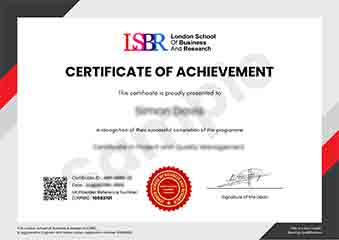
Sample Certificate
Preview the certificate you'll receive upon successful completion of this program.
Get Free Course Info
Receive detailed course information, curriculum breakdown, and career outcomes straight to your inbox.
Employer Sponsored?
Many employers cover professional development costs. Request a corporate invoice and we'll handle the rest. Bulk enrollment discounts available for teams of 3+.
How You Earn Your Certificate
Four simple steps to your professionally recognised qualification
Enroll & Get Instant Access
Complete your enrollment and access course materials immediately
Study at Your Own Pace
Work through the modules on your schedule, from anywhere in the world
Complete Assessments
Demonstrate your knowledge through practical, real-world assessments
Receive Your Certificate
Get your official LSBR UK certificate, recognised across 180+ countries
Real Results from Real Learners
Our graduates consistently report measurable career growth and professional advancement after completing their programmes.
Reviews from Our Learners
Hear from our students about their experience with the Advanced Certificate in Historical Linguistics and Lexical Change at LSBR UK - Executive Education.
Oliver Davies
United Kingdom"The course content is incredibly thorough, covering a wide range of topics that provide a deep understanding of historical linguistics and lexical change. Gaining insights into how languages evolve over time has significantly enhanced my analytical skills and has opened up new avenues for research in language studies."
Rahul Singh
India"This advanced certificate has been incredibly valuable, equipping me with the skills to analyze and predict lexical changes in languages, which is directly applicable in the tech industry for natural language processing projects. It has opened up new career opportunities in linguistic research and tech companies focusing on AI and machine learning."
Mei Ling Wong
Singapore"The course structure is meticulously organized, providing a clear path from foundational concepts to advanced topics in historical linguistics and lexical change, which has greatly enhanced my understanding and analytical skills. The comprehensive content not only deepens theoretical knowledge but also offers practical insights into real-world applications, making the learning experience both enriching and applicable to my future career in linguistics."
Need more time to decide?
Join 23,000+ professionals who advanced their careers. Enroll today and start learning immediately.
Enroll NowSecure payment • Instant access • Certificate included