
Certificate in Decolonizing Cultural Research Practices
This certificate equips researchers with skills to decolonize cultural research practices, fostering inclusive and equitable methodologies.
Certificate in Decolonizing Cultural Research Practices
About This Course
The Certificate in Decolonizing Cultural Research Practices is an intensive, interdisciplinary program designed for researchers, cultural workers, and scholars committed to transforming methodologies and ethical frameworks in cultural studies. This program focuses on the deconstruction of colonial legacies within research practices, emphasizing the importance of indigenous knowledge, community engagement, and equitable partnerships. Participants will explore the historical, theoretical, and practical dimensions of decolonization, engaging with a range of case studies and critical theories that challenge traditional research paradigms.
Students will develop key skills in critical reflexivity, consent-based research methodologies, and the integration of diverse epistemologies. They will learn to design research projects that are responsive to the needs and voices of communities, fostering a more inclusive and ethical approach to cultural research. Through workshops, seminars, and fieldwork, participants will gain practical tools for implementing decolonial practices, enhancing their ability to produce research that is not only academically rigorous but also socially responsible.
The certificate program has a significant impact on careers in academia, non-profit organizations, cultural institutions, and policy-making. Graduates will be well-prepared to lead transformative research initiatives, advocate for community-based research practices, and contribute to the broader conversation on decolonization in cultural studies. This program equips professionals with the necessary skills to navigate complex ethical landscapes, foster genuine partnerships, and ensure that cultural research serves the needs of diverse communities effectively.
What You Will Learn
The Certificate in Decolonizing Cultural Research Practices is a transformative program designed to empower researchers and cultural practitioners with the tools and knowledge to engage in ethical, inclusive, and culturally responsive research. This program is invaluable for those committed to challenging and dismantling colonial legacies in academia and beyond. It delves into key topics such as the histories of colonization and their ongoing impacts, methodologies for decolonizing research practices, and strategies for centering Indigenous knowledge and perspectives.
Graduates of this program are equipped to lead projects that foster equitable knowledge exchange and contribute to the broader goal of decolonizing academia. They learn to design research that respects cultural protocols, engages diverse communities, and addresses social justice issues. The skills acquired are particularly valuable in fields such as anthropology, sociology, community studies, and cultural heritage management.
Career opportunities for program graduates are diverse and include positions as research facilitators, cultural consultants, community educators, and policy analysts. They are well-prepared to work in educational institutions, non-profit organizations, government bodies, and private sectors that value inclusive research practices. By participating in this program, individuals can make substantial contributions to creating a more just and equitable world through their research and practice.
Course Benefits
Industry-Aligned Curriculum
Developed with industry leaders for job-ready skills
Globally Recognised Certificate
Recognised by employers across 180+ countries
Flexible Online Learning
Study at your own pace with lifetime access
Instant Access
Start learning immediately, no application process
Constantly Updated Content
Latest industry trends and best practices
Career Advancement
87% report measurable career progression within 6 months
What This Course Covers
- Foundational Concepts: Covers the core principles and key terminology.: Historical Context: Examines the historical roots of colonialism in cultural research.
- Critical Theories: Introduces major theoretical frameworks for decolonizing research.: Ethical Considerations: Discusses ethical issues and guidelines in decolonizing research.
- Community Engagement: Focuses on building meaningful partnerships with communities.: Case Studies: Analyzes real-world examples of decolonizing cultural research practices.
Everything You Get With This Course
Course Facts
Audience: Researchers, artists, cultural workers
Prerequisites: Basic research or cultural studies background
Outcomes: Decolonial research skills, critical self-reflection, inclusive methodologies
Ready to Advance Your Career?
Join thousands of professionals who have transformed their careers with LSBR UK
Why This Course Is Right for You
Expanding Knowledge Base and Cultural Sensitivity. The Certificate in Decolonizing Cultural Research Practices equips professionals with a deeper understanding of cultural contexts and histories, particularly those that have been historically marginalized or oppressed. This knowledge is crucial for conducting respectful and ethical research, enhancing the validity and reliability of studies. For instance, professionals can better address power imbalances and ensure that research benefits all stakeholders involved.
Enhancing Ethical Research Methods. This certificate teaches professionals how to apply decolonizing methodologies, which prioritize the voices and perspectives of marginalized communities. By learning to integrate indigenous and community-based research approaches, professionals can design studies that are more inclusive and participatory. This skill is particularly valuable in fields such as anthropology, sociology, and public health, where research impacts community well-being.
Strengthening Interpersonal and Collaborative Skills. The program emphasizes the importance of building trust and collaboration with communities. It provides training in communication techniques that foster mutual respect and understanding. These skills are essential for effective teamwork and can lead to more successful project outcomes. For example, professionals can use these skills to mediate conflicts, enhance community engagement, and improve the overall impact of their research and interventions.
3-4 Weeks
Study at your own pace
Course Brochure
Download our comprehensive course brochure with all details
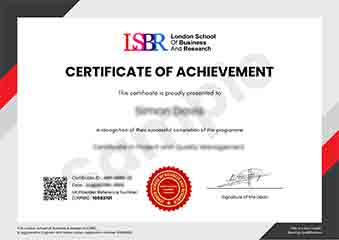
Sample Certificate
Preview the certificate you'll receive upon successful completion of this program.
Get Free Course Info
Receive detailed course information, curriculum breakdown, and career outcomes straight to your inbox.
Employer Sponsored?
Many employers cover professional development costs. Request a corporate invoice and we'll handle the rest. Bulk enrollment discounts available for teams of 3+.
How You Earn Your Certificate
Four simple steps to your professionally recognised qualification
Enroll & Get Instant Access
Complete your enrollment and access course materials immediately
Study at Your Own Pace
Work through the modules on your schedule, from anywhere in the world
Complete Assessments
Demonstrate your knowledge through practical, real-world assessments
Receive Your Certificate
Get your official LSBR UK certificate, recognised across 180+ countries
Real Results from Real Learners
Our graduates consistently report measurable career growth and professional advancement after completing their programmes.
Reviews from Our Learners
Hear from our students about their experience with the Certificate in Decolonizing Cultural Research Practices at LSBR UK - Executive Education.
Charlotte Williams
United Kingdom"The course provided a deep dive into the complexities of decolonizing research practices, equipping me with invaluable skills to approach cultural studies from a more inclusive and ethical perspective. I now feel better prepared to engage in meaningful and respectful research that honors diverse perspectives and histories."
Ryan MacLeod
Canada"This certificate has been instrumental in broadening my perspective on cultural research, equipping me with the tools to approach projects from a more inclusive and equitable standpoint. It has significantly enhanced my career prospects by making my skill set more relevant in the current industry landscape."
Isabella Dubois
Canada"The course structure was meticulously organized, providing a clear pathway to understanding the complexities of decolonizing cultural research practices, which has significantly enhanced my ability to apply these concepts in real-world scenarios, fostering my professional growth in a more inclusive and equitable manner."
Need more time to decide?
Join 23,000+ professionals who advanced their careers. Enroll today and start learning immediately.
Enroll NowSecure payment • Instant access • Certificate included