
Executive Development Programme in Postcolonial Linguistics: Theory and Practice
This program equips leaders with advanced theoretical knowledge and practical skills in postcolonial linguistics, enhancing cultural competency and global communication strategies.
Executive Development Programme in Postcolonial Linguistics: Theory and Practice
About This Course
The Executive Development Programme in Postcolonial Linguistics: Theory and Practice is designed for senior professionals, academics, and researchers who seek to deepen their understanding of linguistic theory and its application in postcolonial contexts. This program explores the historical, cultural, and political dimensions of language use, focusing on how linguistic practices have been shaped by colonial histories and continue to influence contemporary societies. Participants will engage with advanced theoretical frameworks, critical methodologies, and empirical research, providing a comprehensive foundation in postcolonial linguistics.
Through this program, learners will develop a robust set of skills and knowledge, including the ability to analyze linguistic policies and practices within postcolonial frameworks, understand the role of language in identity formation and representation, and critically evaluate the impact of colonial legacies on language use and language education. Additionally, they will gain proficiency in qualitative and quantitative research methods, enabling them to conduct in-depth studies and contribute to academic discourse.
The career impact of this program is significant, as it equips participants with the expertise to address complex linguistic and cultural challenges in various sectors, including education, policy-making, and international development. Graduates of this program can take on leadership roles, develop innovative language policies, and contribute to the scholarly debate on the role of language in postcolonial settings.
What You Will Learn
The Executive Development Programme in Postcolonial Linguistics: Theory and Practice is a transformative educational experience designed for professionals seeking to enhance their understanding and application of postcolonial linguistic theories in diverse contexts. This programme offers a unique blend of theoretical insights and practical strategies, equipping participants with the skills to navigate complex linguistic landscapes and address contemporary challenges in language and culture.
Key topics include the historical and cultural impact of colonialism on language, the role of language in identity formation, and the application of postcolonial theories in educational, business, and policy settings. Through a combination of seminars, workshops, and case studies, participants engage with leading scholars and practitioners, fostering a deep understanding of the theoretical foundations and practical implications of postcolonial linguistics.
Graduates of this programme are well-prepared to lead initiatives that promote linguistic diversity and cultural inclusivity. They can apply their knowledge to develop more inclusive language policies, enhance cross-cultural communication in global business environments, and support educational programs that respect and integrate diverse linguistic heritages. This programme opens career opportunities in academia, international organizations, non-governmental organizations, and corporate sectors focused on global communication and cultural sensitivity.
By participating in this programme, professionals will not only expand their theoretical knowledge but also gain practical tools to implement change and contribute to a more equitable and linguistically rich world.
Course Benefits
Industry-Aligned Curriculum
Developed with industry leaders for job-ready skills
Globally Recognised Certificate
Recognised by employers across 180+ countries
Flexible Online Learning
Study at your own pace with lifetime access
Instant Access
Start learning immediately, no application process
Constantly Updated Content
Latest industry trends and best practices
Career Advancement
87% report measurable career progression within 6 months
What This Course Covers
- Foundational Concepts: Covers the core principles and key terminology.: Historical Context: Examines the historical development of postcolonial linguistics.
- Theoretical Frameworks: Introduces major theoretical approaches in postcolonial linguistics.: Language and Power: Analyzes the relationship between language, power, and identity.
- Case Studies: Investigates specific postcolonial language situations and their impacts.: Pedagogical Strategies: Develops practical methods for teaching postcolonial linguistics.
Everything You Get With This Course
Course Facts
Audience: Advanced linguists, postgraduate students
Prerequisites: Basic knowledge of linguistics, postcolonial theory
Outcomes: Enhanced theoretical understanding, practical research skills
Ready to Advance Your Career?
Join thousands of professionals who have transformed their careers with LSBR UK
Why This Course Is Right for You
Professionals can enhance their understanding of linguistic diversity and its historical context. This program delves into postcolonial linguistics, providing insights into how language policies, education, and media have been shaped by colonial history. Such knowledge is crucial for professionals working in international organizations, diplomacy, or NGOs, where understanding cultural and linguistic nuances is key to effective communication and policy-making.
The program equips participants with advanced analytical skills to interpret complex language data and theories. These skills are highly valuable in fields such as education, where professionals can develop more inclusive and effective language learning curricula. For instance, participants learn to analyze the impact of colonial languages on current educational systems, leading to the creation of more equitable language policies.
By engaging with interdisciplinary approaches that combine linguistic theory with practical applications, professionals can better address the linguistic challenges faced by marginalized communities. This is particularly relevant for those in human rights, social services, or community development roles. For example, graduates can support the revitalization of endangered languages or improve multilingual communication strategies in urban settings, thereby contributing to social cohesion and cultural preservation.
3-4 Weeks
Study at your own pace
Course Brochure
Download our comprehensive course brochure with all details
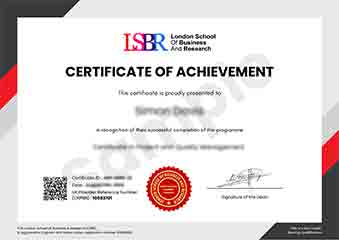
Sample Certificate
Preview the certificate you'll receive upon successful completion of this program.
Get Free Course Info
Receive detailed course information, curriculum breakdown, and career outcomes straight to your inbox.
Employer Sponsored?
Many employers cover professional development costs. Request a corporate invoice and we'll handle the rest. Bulk enrollment discounts available for teams of 3+.
How You Earn Your Certificate
Four simple steps to your professionally recognised qualification
Enroll & Get Instant Access
Complete your enrollment and access course materials immediately
Study at Your Own Pace
Work through the modules on your schedule, from anywhere in the world
Complete Assessments
Demonstrate your knowledge through practical, real-world assessments
Receive Your Certificate
Get your official LSBR UK certificate, recognised across 180+ countries
Real Results from Real Learners
Our graduates consistently report measurable career growth and professional advancement after completing their programmes.
Reviews from Our Learners
Hear from our students about their experience with the Executive Development Programme in Postcolonial Linguistics: Theory and Practice at LSBR UK - Executive Education.
Charlotte Williams
United Kingdom"The course provided an in-depth exploration of postcolonial linguistics, equipping me with a robust theoretical framework and practical analytical skills that have significantly enhanced my ability to critically evaluate linguistic practices in diverse cultural contexts. It has opened up new avenues for my career in international development, where understanding the nuances of language and culture is crucial."
Wei Ming Tan
Singapore"This course has significantly enhanced my understanding of postcolonial linguistics, equipping me with valuable analytical tools that are highly relevant in the current global business landscape. It has not only deepened my theoretical knowledge but also provided practical insights that have directly contributed to my career advancement in international relations."
Brandon Wilson
United States"The course structure was meticulously organized, providing a clear path from theoretical foundations to practical applications in postcolonial linguistics, which significantly enhanced my understanding and analytical skills. The comprehensive content not only deepened my knowledge but also opened up new perspectives on how language influences and is influenced by cultural and historical contexts, greatly benefiting my professional growth."
Need more time to decide?
Join 23,000+ professionals who advanced their careers. Enroll today and start learning immediately.
Enroll NowSecure payment • Instant access • Certificate included