
Global Certificate in Computational Methods for Molecular Design
This certificate equips learners with advanced computational methods for molecular design, enhancing skills in drug discovery and materials science.
Global Certificate in Computational Methods for Molecular Design
About This Course
The Global Certificate in Computational Methods for Molecular Design is a comprehensive programme tailored for chemists, bioinformaticians, and early-career researchers aiming to enhance their computational skills in the field of molecular design. This programme delves into advanced computational techniques, including quantum chemistry, molecular dynamics simulations, and machine learning algorithms, providing participants with a robust foundation in the theoretical and practical aspects of computational chemistry. Learners will gain expertise in using software tools and databases essential for molecular design, enabling them to predict and optimize molecular properties for various applications, from drug discovery to materials science.
Participants will develop a range of key skills, including proficiency in coding languages such as Python and MATLAB, the ability to perform and interpret computational experiments, and a strong understanding of the theoretical underpinnings of molecular simulations and quantum mechanics. By the end of the programme, learners will be well-equipped to contribute to cutting-edge research and innovate in the field of computational molecular design. The programme’s rigorous training and practical focus are designed to enhance career prospects, making participants highly sought after in both academic and industrial sectors, particularly in pharmaceuticals, materials science, and environmental chemistry.
What You Will Learn
The Global Certificate in Computational Methods for Molecular Design is an intensive, online program designed to empower professionals and students with advanced computational skills essential for molecular design and drug discovery. This program equips participants with a robust understanding of computational chemistry, quantum mechanics, and machine learning, enabling them to predict molecular properties, optimize drug molecules, and design novel materials. By integrating hands-on computational chemistry software applications and real-world case studies, learners gain practical experience in modeling and analyzing complex molecules.
Graduates are well-prepared to apply these skills in diverse sectors, including pharmaceuticals, biotechnology, and materials science. They can contribute to drug development by identifying potential drug candidates, optimizing their properties, and predicting their biological activity. In industries focused on advanced materials, participants can design more efficient catalysts, develop new polymers, and create sustainable products.
Career opportunities for program graduates are abundant, ranging from research and development roles in pharmaceutical companies to positions in academic research institutions, biotech startups, and materials science firms. This program not only enhances technical skills but also fosters a deep understanding of computational methods, making graduates highly sought after for their ability to innovate and solve complex problems in molecular design.
Course Benefits
Industry-Aligned Curriculum
Developed with industry leaders for job-ready skills
Globally Recognised Certificate
Recognised by employers across 180+ countries
Flexible Online Learning
Study at your own pace with lifetime access
Instant Access
Start learning immediately, no application process
Constantly Updated Content
Latest industry trends and best practices
Career Advancement
87% report measurable career progression within 6 months
What This Course Covers
- Molecular Modeling Fundamentals: Introduces the basics of molecular modeling and its applications.: Quantum Chemistry Methods: Discusses principles and applications of quantum chemistry in molecular design.
- Computational Thermodynamics and Kinetics: Explains computational techniques for predicting thermodynamic and kinetic properties.: Machine Learning in Molecular Design: Covers the use of machine learning algorithms for drug discovery and materials science.
- High-Throughput Screening Methods: Describes techniques for rapid screening of molecular compounds.: Multi-Objective Optimization: Teaches methods for optimizing multiple criteria in molecular design problems.
Everything You Get With This Course
Course Facts
Audience: Scientists, engineers, students
Prerequisites: Basic programming, chemistry knowledge
Outcomes: Master computational methods, design molecules
Ready to Advance Your Career?
Join thousands of professionals who have transformed their careers with LSBR UK
Why This Course Is Right for You
Enhanced Technical Proficiency: The Global Certificate in Computational Methods for Molecular Design equips professionals with advanced skills in molecular modeling, quantum chemistry, and machine learning applications. These abilities are crucial for predicting molecular behavior, optimizing chemical reactions, and designing new materials, thereby enhancing their technical expertise and making them more competitive in the job market.
Interdisciplinary Knowledge Base: This certificate bridges the gap between chemistry, physics, and computer science, providing professionals with a comprehensive understanding of computational methods. This interdisciplinary approach is increasingly valued in industries that require innovative solutions, particularly in pharmaceuticals, materials science, and environmental science, where computational tools play a pivotal role.
Career Advancement Opportunities: Obtaining this certificate can open doors to advanced roles such as computational chemist, computational material scientist, or data analyst in pharmaceutical and chemical industries. It also facilitates career transitions to emerging fields like green chemistry and sustainable materials, where computational methods are indispensable. Professionals can leverage their enhanced skills to lead projects, develop new products, and contribute to groundbreaking research.
3-4 Weeks
Study at your own pace
Course Brochure
Download our comprehensive course brochure with all details
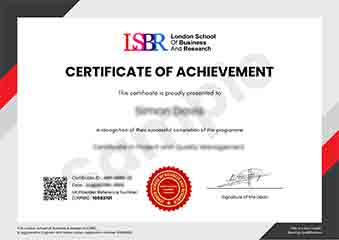
Sample Certificate
Preview the certificate you'll receive upon successful completion of this program.
Get Free Course Info
Receive detailed course information, curriculum breakdown, and career outcomes straight to your inbox.
Employer Sponsored?
Many employers cover professional development costs. Request a corporate invoice and we'll handle the rest. Bulk enrollment discounts available for teams of 3+.
How You Earn Your Certificate
Four simple steps to your professionally recognised qualification
Enroll & Get Instant Access
Complete your enrollment and access course materials immediately
Study at Your Own Pace
Work through the modules on your schedule, from anywhere in the world
Complete Assessments
Demonstrate your knowledge through practical, real-world assessments
Receive Your Certificate
Get your official LSBR UK certificate, recognised across 180+ countries
Real Results from Real Learners
Our graduates consistently report measurable career growth and professional advancement after completing their programmes.
Reviews from Our Learners
Hear from our students about their experience with the Global Certificate in Computational Methods for Molecular Design at LSBR UK - Executive Education.
Sophie Brown
United Kingdom"The course content is incredibly thorough and well-researched, providing a solid foundation in computational methods that are directly applicable to real-world molecular design challenges. Gaining these practical skills has been invaluable, as it has opened up new avenues for problem-solving in my field and enhanced my ability to contribute to cutting-edge research projects."
Ahmad Rahman
Malaysia"This course has been instrumental in bridging the gap between theoretical knowledge and practical applications in molecular design. It has significantly enhanced my ability to apply computational methods in real-world scenarios, making me more competitive in the job market and opening up new opportunities in pharmaceutical research."
Sophie Brown
United Kingdom"The course structure is well-organized, providing a comprehensive overview of computational methods that directly translates into practical skills for molecular design, enhancing my ability to tackle real-world problems in the field."
Need more time to decide?
Join 23,000+ professionals who advanced their careers. Enroll today and start learning immediately.
Enroll NowSecure payment • Instant access • Certificate included