
Global Certificate in Documenting Theatre Heritage: Oral History Methods
Learn to preserve theatre heritage through oral history methods, gaining practical skills and contributing to cultural documentation.
Global Certificate in Documenting Theatre Heritage: Oral History Methods
Programme Overview
This course is for theatre enthusiasts, historians, and professionals. First, it equips you with oral history methods to document and preserve theatre heritage. You'll learn to conduct interviews, gather firsthand accounts. Next, you'll gain skills in archiving and sharing these stories. Additionally, you'll understand how to ethically handle sensitive information.
You'll also discover how to make oral histories accessible. You'll explore digital storytelling. Finally, you'll join a community of like-minded individuals. Moreover, you'll gain a certificate. It shows your expertise in documenting theatre heritage.
What You'll Learn
Join the fascinating journey of preserving theatre history with our 'Global Certificate in Documenting Theatre Heritage: Oral History Methods'. First, learn how to capture the essence of live performances through firsthand accounts. Next, master oral history techniques tailored for theatre. Then, explore ethical considerations and best practices. Finally, gain practical experience with fieldwork and digital storytelling. Moreover, connect with industry experts and peers from around the globe.
Moreover, unlock career opportunities in arts management, archiving, and cultural heritage. Plus, stand out with a unique skill set highly valued in the arts sector. Enroll today and become a guardian of theatre's living history. Don’t wait to make a real difference in preserving our cultural legacy. Sign up now and start your journey in documenting theatre heritage!
Programme Highlights
Industry-Aligned Curriculum
Developed with industry leaders to ensure practical, job-ready skills valued by employers worldwide.
Expert Faculty
Learn from experienced professionals with real-world expertise in your chosen field.
Flexible Learning
Study at your own pace, from anywhere in the world, with our flexible online platform.
Industry Focus
Practical, real-world knowledge designed to meet the demands of today's competitive job market.
Latest Curriculum
Stay ahead with constantly updated content reflecting the latest industry trends and best practices.
Career Advancement
Unlock new opportunities with a globally recognized qualification respected by employers.
Topics Covered
- Introduction to Oral History Methods: Understand the basics and ethics of oral history for theatre documentation.
- Interview Techniques and Practices: Learn effective interview strategies for capturing theatre heritage.
- Digital Recording and Archiving: Explore digital methods for recording and preserving oral histories.
- Ethical Considerations in Oral History: Address ethical issues in collecting and using oral history for theatre.
- Analyzing and Interpreting Oral History Data: Develop skills in analyzing and interpreting oral history interviews.
- Integrating Oral History into Theatre Heritage Documentation: Discover methods for incorporating oral history into broader theatre heritage projects.
Key Facts
### Key Facts
Audience:
This course welcomes theatre lovers and professionals alike.
First, it is great for historians eager to learn about oral history methods;
Secondly, it also suits theatre practitioners who wish to preserve oral traditions.
Lastly, it is aimed at individuals passionate about documenting cultural heritage.
Prerequisites:
No formal qualifications are necessary.
However, a keen interest in theatre and history is essential.
Basic computer skills will be helpful.
Additionally, access to a reliable internet connection is required.
Outcomes:
Firstly, you will gain skills in oral history methods.
Secondly, you will learn to document theatre heritage effectively.
Lastly, you will be equipped to conduct and preserve oral histories.
Why This Course
First, learners gain valuable skills in oral history methods. They acquire tools to capture and preserve theatre heritage. This ensures that diverse stories and experiences become part of the historical record.
Next, participants connect with a global community. They share insights and learn from peers around the world. This broadens perspectives and enriches the learning experience.
Finally, this certificate opens doors to various career paths. It prepares graduates for roles in heritage conservation, education, and performing arts. Moreover, it equips learners with skills to contribute to cultural preservation efforts.
Programme Title
Global Certificate in Documenting Theatre Heritage: Oral History Methods
Course Brochure
Download our comprehensive course brochure with all details
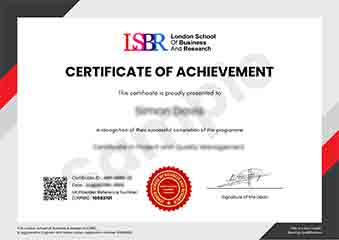
Sample Certificate
Preview the certificate you'll receive upon successful completion of this program.
Pay as an Employer
Request an invoice for your company to pay for this course. Perfect for corporate training and professional development.
What People Say About Us
Hear from our students about their experience with the Global Certificate in Documenting Theatre Heritage: Oral History Methods at LSBR UK - Executive Education.
Oliver Davies
United Kingdom"The course material was incredibly comprehensive, covering a wide range of oral history methods that are directly applicable to documenting theatre heritage. I gained practical skills in conducting interviews and preserving oral histories, which I believe will significantly benefit my career in theatre preservation."
Ryan MacLeod
Canada"This course has been a game-changer for my career in theatre preservation. The oral history methods I've learned are not only industry-relevant but have also equipped me with practical skills that I can immediately apply in documenting and preserving theatre heritage. Since completing the course, I've seen a significant boost in my professional opportunities and confidence in handling heritage documentation projects."
Madison Davis
United States"The course structure was incredibly well-organized, with each module building logically on the previous one, which made the learning process smooth and engaging. The comprehensive content not only deepened my understanding of oral history methods but also provided practical insights into documenting theatre heritage, which I believe will significantly benefit my professional growth in the field."