
Global Certificate in Thermodynamics Analysis Using Computational Tools
Implement effective thermodynamics analysis using computational tools strategies that drive organizational excellence. Learn from industry best practices.
Global Certificate in Thermodynamics Analysis Using Computational Tools
About This Course
The Global Certificate in Thermodynamics Analysis Using Computational Tools is designed for engineers, scientists, and researchers who seek to enhance their ability to apply computational methods to thermodynamic problems. This program provides a comprehensive understanding of thermodynamics principles and their practical application through advanced computational tools, including software and programming languages commonly used in the field. Participants will learn how to model, simulate, and analyze complex thermodynamic systems, enabling them to make informed decisions in their respective fields.
The curriculum equips learners with key skills in thermodynamic modeling, computational fluid dynamics, and data analysis. Through hands-on exercises and real-world case studies, students will develop proficiency in using software tools such as MATLAB, ANSYS, and Aspen Plus for thermodynamic analysis. Additionally, the program emphasizes the importance of numerical methods, statistical analysis, and visualization techniques to interpret and present thermodynamic data effectively.
This program significantly impacts career trajectories by preparing professionals for roles that require advanced computational skills in thermodynamics. Graduates are well-equipped to conduct research, develop innovative solutions, and advance their careers in industries such as chemical engineering, environmental science, and energy management. The ability to leverage computational tools for thermodynamic analysis opens up opportunities for leadership positions and enhances the capability to innovate and solve complex problems in their professional endeavors.
What You Will Learn
Embark on a transformative journey with the Global Certificate in Thermodynamics Analysis Using Computational Tools, designed to empower professionals and students with the skills to analyze complex systems through cutting-edge computational methods. This comprehensive program equips learners with a deep understanding of thermodynamic principles, coupled with practical experience in using advanced computational tools such as MATLAB, ANSYS, and Python. Key topics include thermodynamic cycles, phase diagrams, heat transfer, and fluid dynamics, all explored through real-world case studies and hands-on projects.
Graduates emerge with the ability to design and optimize energy systems, enhance industrial processes, and develop innovative solutions in sectors like automotive, aerospace, and renewable energy. Employers in these fields seek candidates with a blend of theoretical knowledge and practical skills, making this certificate a powerful asset in the job market. Career opportunities range from research and development to operations and project management in industries that rely on efficient energy use and sustainable practices.
By mastering the art of thermodynamics analysis with computational tools, participants not only enhance their employability but also contribute to the advancement of technologies that address global energy challenges. This program is a stepping stone for professionals aiming to lead in the energy transition and sustainability efforts of the future.
Course Benefits
Industry-Aligned Curriculum
Developed with industry leaders for job-ready skills
Globally Recognised Certificate
Recognised by employers across 180+ countries
Flexible Online Learning
Study at your own pace with lifetime access
Instant Access
Start learning immediately, no application process
Constantly Updated Content
Latest industry trends and best practices
Career Advancement
87% report measurable career progression within 6 months
What This Course Covers
- Foundational Concepts: Covers the core principles and key terminology.: Computational Tools Introduction: Introduces various software and tools used in thermodynamics analysis.
- Thermodynamic Systems: Analyzes different types of thermodynamic systems and their properties.: Advanced Modeling Techniques: Explores advanced modeling techniques and their applications.
- Case Studies: Examines real-world applications through detailed case studies.: Simulation and Analysis: Teaches how to simulate and analyze thermodynamic processes using computational tools.
Everything You Get With This Course
Course Facts
Audience: Engineers, scientists, data analysts
Prerequisites: Basic thermodynamics, programming knowledge
Outcomes: Proficient in thermodynamic analysis, computational tools
Ready to Advance Your Career?
Join thousands of professionals who have transformed their careers with LSBR UK
Why This Course Is Right for You
Enhance Expertise: The Global Certificate in Thermodynamics Analysis Using Computational Tools equips professionals with advanced skills in using computational tools for thermodynamic analysis. This specialization can significantly boost career prospects in fields such as chemical engineering, materials science, and energy systems, where accurate thermodynamic models are crucial.
Practical Application: The program focuses on applying computational tools to real-world problems, providing hands-on experience with software like Aspen Plus, Thermo, or REFPROP. This practical approach ensures that participants can immediately apply their knowledge to enhance project outcomes and innovation within their organizations.
Networking Opportunities: By participating in this certificate program, professionals gain access to a global network of experts and peers in thermodynamics. These connections can lead to collaborative opportunities, including joint projects, research collaborations, or even career advancement through mentorship and knowledge sharing.
Career Advancement: The skills acquired through this certificate can differentiate professionals in the job market, opening up opportunities for senior roles or leadership positions that require deep expertise in computational thermodynamics. Employers value candidates with specialized skills that can contribute directly to product development, process optimization, and research endeavors.
3-4 Weeks
Study at your own pace
Course Brochure
Download our comprehensive course brochure with all details
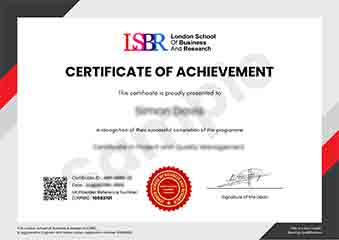
Sample Certificate
Preview the certificate you'll receive upon successful completion of this program.
Get Free Course Info
Receive detailed course information, curriculum breakdown, and career outcomes straight to your inbox.
Employer Sponsored?
Many employers cover professional development costs. Request a corporate invoice and we'll handle the rest. Bulk enrollment discounts available for teams of 3+.
How You Earn Your Certificate
Four simple steps to your professionally recognised qualification
Enroll & Get Instant Access
Complete your enrollment and access course materials immediately
Study at Your Own Pace
Work through the modules on your schedule, from anywhere in the world
Complete Assessments
Demonstrate your knowledge through practical, real-world assessments
Receive Your Certificate
Get your official LSBR UK certificate, recognised across 180+ countries
Real Results from Real Learners
Our graduates consistently report measurable career growth and professional advancement after completing their programmes.
Reviews from Our Learners
Hear from our students about their experience with the Global Certificate in Thermodynamics Analysis Using Computational Tools at LSBR UK - Executive Education.
Sophie Brown
United Kingdom"The course provided in-depth, well-structured content that significantly enhanced my understanding of thermodynamics. I gained valuable practical skills in using computational tools, which are directly applicable in my field and have already improved my analytical capabilities."
Rahul Singh
India"This course has been instrumental in bridging the gap between theoretical thermodynamics and practical applications, equipping me with the skills to analyze complex systems using computational tools. It has significantly enhanced my resume, making me a more competitive candidate in the job market and opening up new opportunities in my field."
Jia Li Lim
Singapore"The course structure is well-organized, providing a comprehensive understanding of thermodynamics analysis through practical computational tools, which has significantly enhanced my ability to apply theoretical knowledge to real-world engineering problems."
Need more time to decide?
Join 23,000+ professionals who advanced their careers. Enroll today and start learning immediately.
Enroll NowSecure payment • Instant access • Certificate included