
Postgraduate Certificate in Biomechanical Modeling for Prosthetic Design
This program equips students with advanced skills in biomechanical modeling to design and optimize prosthetic devices for improved patient functionality and comfort.
Postgraduate Certificate in Biomechanical Modeling for Prosthetic Design
About This Course
The Postgraduate Certificate in Biomechanical Modeling for Prosthetic Design is tailored for professionals with a background in biomedical engineering, mechanical engineering, and related disciplines who seek to enhance their skills in the design and development of advanced prosthetic devices. This program integrates theoretical knowledge with practical applications, focusing on the comprehensive understanding of human biomechanics and the application of computational modeling techniques to improve prosthetic design. Learners will explore the latest technologies and methodologies used in the field, including finite element analysis, motion capture systems, and tissue mechanics, to create more effective and personalized prosthetic solutions.
Students will develop a robust set of skills including advanced modeling techniques, data analysis, and the ability to apply biomechanical principles to real-world problems. They will learn to use specialized software and tools for prosthetic design, perform comprehensive biomechanical assessments, and understand the latest trends in materials science relevant to prosthetic fabrication. By the end of the program, learners will be equipped to conduct independent research, innovate in prosthetic design, and contribute to the advancement of the field through evidence-based practices.
This program has a significant impact on learners' career trajectories, offering opportunities to work in leading prosthetic design firms, research institutions, and medical device companies. Graduates will be well-prepared to lead projects involving prosthetic design, improve patient outcomes through more effective prosthetics, and contribute to the development of new technologies in the field. The knowledge and skills acquired will be valuable in advancing the quality of life for
What You Will Learn
The Postgraduate Certificate in Biomechanical Modeling for Prosthetic Design is an intensive, hands-on program tailored for professionals and students aiming to advance their skills in the rapidly evolving field of prosthetic design. This program delves into the core principles of biomechanics, equipping participants with the knowledge to create innovative prosthetic solutions that enhance the quality of life for amputees. Key topics include advanced prosthetic design, biomechanical analysis, and the latest CAD/CAM technologies.
Participants will learn to apply these skills in real-world scenarios, such as designing customized prosthetic limbs that consider the unique biomechanics of individual patients. The curriculum includes practical projects that simulate the entire prosthetic design process, from initial assessment to final fitting, ensuring graduates are well-prepared for the complexities of the field.
Graduates of this program are ideally positioned to pursue careers in prosthetics design, biomedical engineering, and clinical research. They can work in hospitals, research institutions, or prosthetic manufacturing companies, contributing to the development of cutting-edge prosthetic technologies and patient care. This program not only enhances technical skills but also fosters a deep understanding of human biomechanics, making graduates valuable assets in their professional endeavors.
Course Benefits
Industry-Aligned Curriculum
Developed with industry leaders for job-ready skills
Globally Recognised Certificate
Recognised by employers across 180+ countries
Flexible Online Learning
Study at your own pace with lifetime access
Instant Access
Start learning immediately, no application process
Constantly Updated Content
Latest industry trends and best practices
Career Advancement
87% report measurable career progression within 6 months
What This Course Covers
- Introduction to Biomechanics: Introduces fundamental biomechanical principles relevant to prosthetic design.: Computational Modeling Techniques: Discusses various computational methods for modeling biological systems.
- Materials Science for Prosthetics: Covers materials properties and selection for prosthetic devices.: Clinical Assessment and Patient Modeling: Focuses on assessing patients and creating personalized models.
- Design and Fabrication Processes: Examines the design and fabrication techniques used in modern prosthetics.: Ethics and Legal Considerations: Explores ethical and legal issues in prosthetic design and implementation.
Everything You Get With This Course
Course Facts
For working professionals and students in biomedical fields
Basic knowledge of biomechanics and prosthetics required
Understand advanced biomechanical modeling techniques
Develop skills in prosthetic design and analysis
Gain practical experience in CAD software
Enhance career prospects in prosthetics engineering
Ready to Advance Your Career?
Join thousands of professionals who have transformed their careers with LSBR UK
Why This Course Is Right for You
Enhanced Expertise in Prosthetic Design: Gaining a Postgraduate Certificate in Biomechanical Modeling for Prosthetic Design equips professionals with in-depth knowledge of biomechanics, allowing them to design more efficient and functional prosthetic devices. This specialization can significantly elevate their expertise, making them more competitive in the field.
Improved Patient Outcomes: By mastering biomechanical modeling, professionals can better understand the mechanical interactions between prosthetic devices and the human body. This understanding enables them to design devices that provide better support, comfort, and mobility, ultimately leading to improved patient outcomes and satisfaction.
Advanced Technical Skills: The program focuses on developing advanced technical skills in modeling and simulation, which are crucial for creating accurate and effective prosthetic designs. These skills include the use of specialized software and tools, enhancing professionals' ability to innovate and adapt to new technologies in prosthetic design.
3-4 Weeks
Study at your own pace
Course Brochure
Download our comprehensive course brochure with all details
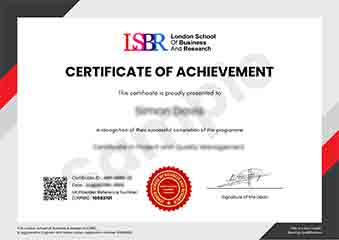
Sample Certificate
Preview the certificate you'll receive upon successful completion of this program.
Get Free Course Info
Receive detailed course information, curriculum breakdown, and career outcomes straight to your inbox.
Employer Sponsored?
Many employers cover professional development costs. Request a corporate invoice and we'll handle the rest. Bulk enrollment discounts available for teams of 3+.
How You Earn Your Certificate
Four simple steps to your professionally recognised qualification
Enroll & Get Instant Access
Complete your enrollment and access course materials immediately
Study at Your Own Pace
Work through the modules on your schedule, from anywhere in the world
Complete Assessments
Demonstrate your knowledge through practical, real-world assessments
Receive Your Certificate
Get your official LSBR UK certificate, recognised across 180+ countries
Real Results from Real Learners
Our graduates consistently report measurable career growth and professional advancement after completing their programmes.
Reviews from Our Learners
Hear from our students about their experience with the Postgraduate Certificate in Biomechanical Modeling for Prosthetic Design at LSBR UK - Executive Education.
Charlotte Williams
United Kingdom"The course content is incredibly detailed and well-structured, providing a solid foundation in biomechanical modeling which has significantly enhanced my ability to design prosthetics. I've gained practical skills that are directly applicable to real-world challenges, making me more confident in my career as a prosthetic designer."
Ashley Rodriguez
United States"This course has been instrumental in bridging the gap between theoretical knowledge and practical application in prosthetic design. It has significantly enhanced my ability to create more effective and personalized prosthetics, directly impacting my career by opening up new opportunities in the field."
Klaus Mueller
Germany"The course structure is well-organized, providing a comprehensive understanding of biomechanical modeling essential for designing prosthetics, and it seamlessly bridges theoretical knowledge with practical applications, enhancing my professional growth significantly."
Need more time to decide?
Join 23,000+ professionals who advanced their careers. Enroll today and start learning immediately.
Enroll NowSecure payment • Instant access • Certificate included