
Postgraduate Certificate in Decolonizing Language and Literacy Practices
This program equips graduates with skills to transform language and literacy practices, promoting equity and decolonization in education and beyond.
Postgraduate Certificate in Decolonizing Language and Literacy Practices
About This Course
The Postgraduate Certificate in Decolonizing Language and Literacy Practices is a comprehensive program designed for educators, researchers, and community leaders committed to transforming language and literacy practices to be more inclusive and equitable. This program delves into the historical and cultural contexts of language use, exploring how traditional educational systems have perpetuated colonial legacies and disenfranchised marginalized communities. It also examines the role of language in perpetuating social inequalities and the importance of developing pedagogical strategies that support diverse linguistic and cultural identities.
Participants will develop critical skills in analyzing and decolonizing language and literacy practices, including the ability to identify and challenge systemic biases, design curricula that celebrate linguistic diversity, and implement culturally responsive teaching methods. The program emphasizes the importance of community engagement and collaboration in the decolonization process, fostering a deeper understanding of the socio-political implications of language use in educational settings.
This program significantly impacts careers by equipping participants with the theoretical and practical knowledge necessary to lead change in educational institutions and communities. Graduates are well-prepared to advocate for inclusive language policies, enhance literacy programs, and promote social justice through language education. The skills acquired are highly valued in educational leadership roles, community development positions, and research-oriented careers focused on linguistic and cultural equity.
What You Will Learn
The Postgraduate Certificate in Decolonizing Language and Literacy Practices is a groundbreaking program designed to equip educators, researchers, and practitioners with the knowledge and skills to transform language and literacy practices by centering marginalized voices and perspectives. This program is a critical response to the ongoing colonial legacy in education, aiming to foster inclusive, equitable, and culturally responsive pedagogies.
Key topics include the history and impact of colonialism on language and literacy, critical literacy and its application, decolonial theory, and the role of indigenous and multilingual literacies. Participants engage in hands-on workshops, case studies, and community-based projects that challenge and expand their understanding of language as a tool for social justice.
Graduates of this program are well-prepared to integrate decolonizing practices into educational settings, enhancing curriculum design, and promoting more inclusive learning environments. They can serve as leaders in schools, universities, and community organizations, advocating for and implementing policies that support diverse linguistic and cultural backgrounds. Additionally, they can contribute to broader conversations on language justice and equity in education, policy-making, and advocacy.
This program not only empowers individuals but also catalyzes systemic change, ensuring that the voices and experiences of marginalized communities are not only heard but also valued and integrated into the fabric of educational practices.
Course Benefits
Industry-Aligned Curriculum
Developed with industry leaders for job-ready skills
Globally Recognised Certificate
Recognised by employers across 180+ countries
Flexible Online Learning
Study at your own pace with lifetime access
Instant Access
Start learning immediately, no application process
Constantly Updated Content
Latest industry trends and best practices
Career Advancement
87% report measurable career progression within 6 months
What This Course Covers
- Foundational Concepts: Covers the core principles and key terminology.: Historical Context: Examines the evolution of language and literacy practices.
- Critical Theories: Introduces key theories from decolonial studies.: Community Engagement: Focuses on working with diverse communities.
- Policy and Advocacy: Analyzes the role of policy in perpetuating or challenging colonial legacies.: Pedagogical Practices: Develops strategies for teaching decolonized language and literacy.
Everything You Get With This Course
Course Facts
Professional educators and linguists
No formal prerequisites required
Develop critical language awareness
Enhance decolonial literacy practices
Foster inclusive educational environments
Ready to Advance Your Career?
Join thousands of professionals who have transformed their careers with LSBR UK
Why This Course Is Right for You
Enhanced Cultural Competence and Inclusivity: This postgraduate certificate equips professionals with a deep understanding of diverse cultural backgrounds and the nuances of language and literacy. It helps them foster inclusive practices, which are crucial in today’s multicultural work environments. For instance, educators can better support students from various cultural and linguistic backgrounds, leading to improved academic performance and social cohesion.
Improved Communication Skills: By delving into decolonizing language and literacy practices, professionals learn to communicate more effectively and sensitively. This is particularly valuable in fields like journalism, human resources, and public relations. For example, HR professionals can draft more inclusive job descriptions and policies, reducing biases and fostering a more equitable workplace.
Strategic Positioning for Leadership Roles: Gaining expertise in this area can significantly enhance one’s career prospects. Professionals with this knowledge are well-positioned to take on leadership roles that require a deep understanding of cultural dynamics and language nuances. For instance, a manager in a multinational organization can lead initiatives that promote diversity and inclusion, aligning with global business strategies and improving organizational culture.
Innovative Problem-Solving: The program encourages critical thinking and problem-solving skills by addressing systemic issues within language and literacy. This can be particularly useful in roles requiring innovation and strategic thinking. For example, a content strategist can develop more effective marketing campaigns by understanding and addressing the cultural sensitivities of diverse target audiences, potentially increasing engagement and effectiveness.
3-4 Weeks
Study at your own pace
Course Brochure
Download our comprehensive course brochure with all details
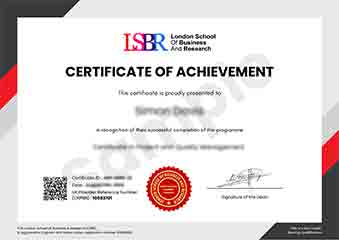
Sample Certificate
Preview the certificate you'll receive upon successful completion of this program.
Get Free Course Info
Receive detailed course information, curriculum breakdown, and career outcomes straight to your inbox.
Employer Sponsored?
Many employers cover professional development costs. Request a corporate invoice and we'll handle the rest. Bulk enrollment discounts available for teams of 3+.
How You Earn Your Certificate
Four simple steps to your professionally recognised qualification
Enroll & Get Instant Access
Complete your enrollment and access course materials immediately
Study at Your Own Pace
Work through the modules on your schedule, from anywhere in the world
Complete Assessments
Demonstrate your knowledge through practical, real-world assessments
Receive Your Certificate
Get your official LSBR UK certificate, recognised across 180+ countries
Real Results from Real Learners
Our graduates consistently report measurable career growth and professional advancement after completing their programmes.
Reviews from Our Learners
Hear from our students about their experience with the Postgraduate Certificate in Decolonizing Language and Literacy Practices at LSBR UK - Executive Education.
Oliver Davies
United Kingdom"The course provided a deep dive into the complexities of language and literacy, offering a wealth of practical tools to address systemic issues in education. Gaining insights into decolonizing practices has significantly enhanced my ability to create inclusive learning environments and has opened up new career opportunities in educational policy and curriculum development."
Wei Ming Tan
Singapore"This postgraduate certificate has significantly enhanced my ability to critically analyze and deconstruct language and literacy practices, making me more adept at addressing systemic issues in education. The skills I've gained are directly applicable in my role as an educational consultant, where I now offer more inclusive and equitable approaches to teaching and learning."
Tyler Johnson
United States"The course structure is meticulously organized, providing a clear pathway to understanding the complexities of decolonizing language and literacy practices, which has significantly enhanced my knowledge and opened up new perspectives for real-world application in educational settings."
Need more time to decide?
Join 23,000+ professionals who advanced their careers. Enroll today and start learning immediately.
Enroll NowSecure payment • Instant access • Certificate included