
Postgraduate Certificate in Neuroscience-Informed Teaching Practices
Enhance teaching effectiveness through neuroscience insights, earning a Postgraduate Certificate in tailored educational practices.
Postgraduate Certificate in Neuroscience-Informed Teaching Practices
About This Course
The Postgraduate Certificate in Neuroscience-Informed Teaching Practices is designed for educators seeking to integrate cutting-edge neuroscience research into their teaching methodologies. This program equips participants with a deep understanding of how the brain processes information, learns, and retains knowledge, enabling them to create more effective and engaging learning environments. The curriculum covers topics such as brain development, memory formation, cognitive processing, and the impact of stress on learning, all tailored to practical classroom applications.
Participants will develop key skills in designing and implementing neuroscience-informed instructional strategies, assessing student learning based on neuroscientific principles, and utilizing technology to enhance cognitive engagement. They will also learn to create inclusive and adaptive learning environments that cater to diverse learner needs. This comprehensive skill set prepares educators to foster deeper student engagement, improve learning outcomes, and support the cognitive development of their students effectively.
The program has a significant impact on career advancement, offering educators the opportunity to become leaders in innovative teaching practices. Graduates are well-positioned to take on roles such as neuroscience consultants, instructional designers, and educational researchers, or to enhance their current teaching positions by integrating evidence-based neuroscience into their daily practices. This certificate not only enhances professional credentials but also positions educators at the forefront of educational innovation, driving positive change in educational settings.
What You Will Learn
The Postgraduate Certificate in Neuroscience-Informed Teaching Practices is a cutting-edge program designed to empower educators with the latest insights from neuroscience to enhance student learning and engagement. This program bridges the gap between educational theory and neuroscientific research, equipping graduates with the skills to create more effective and inclusive learning environments.
Key topics covered include the brain’s role in learning, the impact of stress and trauma on academic performance, and the neurobiology of motivation. Participants will learn how to design and implement teaching strategies that optimize cognitive development and emotional well-being. The curriculum also explores the integration of technology in education, addressing how digital tools can enhance cognitive functions and support diverse learning needs.
Upon completion, graduates will be able to apply these skills in various educational settings, from primary schools to higher education institutions. They will be prepared to lead professional development workshops, innovate curriculum design, and advocate for policies that integrate neuroscientific insights into educational practices.
This program opens doors to a range of career opportunities, including educational consultant, instructional designer, and school leader. Graduates are well-positioned to make significant contributions to educational reform, fostering a learning environment where every student thrives.
Course Benefits
Industry-Aligned Curriculum
Developed with industry leaders for job-ready skills
Globally Recognised Certificate
Recognised by employers across 180+ countries
Flexible Online Learning
Study at your own pace with lifetime access
Instant Access
Start learning immediately, no application process
Constantly Updated Content
Latest industry trends and best practices
Career Advancement
87% report measurable career progression within 6 months
What This Course Covers
- Foundational Concepts: Covers the core principles and key terminology.: Neurobiology Basics: Introduces the biological basis of neural functions.
- Cognitive Neuroscience: Examines the neural mechanisms underlying cognition.: Developmental Neuroscience: Analyzes how the brain develops and changes.
- Learning and Memory: Explores the neural processes involved in learning and memory.: Neuroeducation Strategies: Applies neuroscientific insights to educational practices.
Everything You Get With This Course
Course Facts
Audience: Educators, researchers, school leaders
Prerequisites: Bachelor's degree, teaching experience preferred
Outcomes: Neuroscientific knowledge, evidence-based teaching, enhanced pedagogical skills
Ready to Advance Your Career?
Join thousands of professionals who have transformed their careers with LSBR UK
Why This Course Is Right for You
Enhance Student Engagement: Postgraduate certificates in neuroscience-informed teaching practices equip educators with the latest knowledge on brain function and learning. This understanding helps teachers tailor their methods to better engage students, improving retention and motivation. For instance, incorporating techniques that align with optimal brain activity patterns can significantly enhance student engagement in diverse learning environments.
Improve Learning Outcomes: By integrating neuroscientific insights, professionals can design more effective instructional strategies and assessments. This approach can lead to better learning outcomes, as evidenced by increased test scores and improved problem-solving abilities among students. For example, using spaced repetition and active recall techniques, grounded in neuroscientific research, can help solidify long-term memory.
Develop Adaptability: The program equips educators with the skills to adapt their teaching methods to various learning needs and challenges. This adaptability is crucial in today’s diverse classrooms. Professionals who complete the certificate can implement personalized learning plans and dynamic instructional strategies, ensuring that all students, including those with special needs, have equal opportunities to succeed.
Foster a Growth Mindset: Neuroscience-informed teaching practices encourage the development of a growth mindset among both educators and students. By understanding that brain function can be improved through effort and practice, professionals can foster an environment where resilience and continuous learning are valued. This perspective can lead to a more positive and productive school culture, benefiting all members of the educational community.
3-4 Weeks
Study at your own pace
Course Brochure
Download our comprehensive course brochure with all details
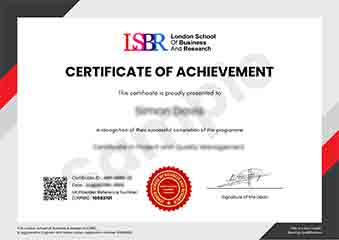
Sample Certificate
Preview the certificate you'll receive upon successful completion of this program.
Get Free Course Info
Receive detailed course information, curriculum breakdown, and career outcomes straight to your inbox.
Employer Sponsored?
Many employers cover professional development costs. Request a corporate invoice and we'll handle the rest. Bulk enrollment discounts available for teams of 3+.
How You Earn Your Certificate
Four simple steps to your professionally recognised qualification
Enroll & Get Instant Access
Complete your enrollment and access course materials immediately
Study at Your Own Pace
Work through the modules on your schedule, from anywhere in the world
Complete Assessments
Demonstrate your knowledge through practical, real-world assessments
Receive Your Certificate
Get your official LSBR UK certificate, recognised across 180+ countries
Real Results from Real Learners
Our graduates consistently report measurable career growth and professional advancement after completing their programmes.
Reviews from Our Learners
Hear from our students about their experience with the Postgraduate Certificate in Neuroscience-Informed Teaching Practices at LSBR UK - Executive Education.
Charlotte Williams
United Kingdom"The course content is incredibly comprehensive, providing deep insights into how neuroscience can inform teaching practices, which has significantly enhanced my ability to tailor educational strategies to student needs. Gaining this knowledge has opened up new avenues in my career, allowing me to implement more effective and personalized teaching methods."
James Thompson
United Kingdom"This postgraduate certificate has significantly enhanced my understanding of how neuroscience principles can be applied in the classroom, making my teaching more effective and engaging. It has opened new career opportunities in educational leadership and professional development, positioning me as a valuable asset in the education sector."
Zoe Williams
Australia"The course structure is well-organized, providing a clear pathway to understanding how neuroscience can inform teaching practices, which has significantly enhanced my ability to apply these principles in real-world classroom settings."
Need more time to decide?
Join 23,000+ professionals who advanced their careers. Enroll today and start learning immediately.
Enroll NowSecure payment • Instant access • Certificate included