
Professional Certificate in Computational Biocatalysis Design
Elevate skills in designing biocatalytic processes for efficient chemical synthesis, earning a professional certificate in computational biocatalysis design.
Professional Certificate in Computational Biocatalysis Design
Programme Overview
The Professional Certificate in Computational Biocatalysis Design is designed for scientists, engineers, and researchers who seek to leverage computational methodologies to design and optimize biocatalytic processes for a variety of applications, including pharmaceuticals, biofuels, and environmental remediation. This program covers a comprehensive range of topics, from the foundational principles of enzyme kinetics and thermodynamics to advanced computational tools and techniques, such as molecular dynamics simulations, docking studies, and machine learning algorithms tailored for biocatalytic systems.
Learners in this program will develop key skills in computational modeling, software proficiency, and experimental design. They will gain expertise in using computational tools to predict enzyme activity, stability, and specificity, and will learn to integrate these predictions with experimental data to refine and validate biocatalytic designs. Additionally, participants will enhance their ability to critically evaluate the impact of computational approaches on biocatalytic processes and will be equipped to communicate their findings effectively in both technical and non-technical settings.
The career impact of this certificate is significant, as graduates will be well-prepared to contribute to the development of more efficient and sustainable biocatalytic processes in academia, industry, and government laboratories. This program not only provides a robust foundation in the computational and experimental aspects of biocatalysis but also fosters innovation and leadership in the field, enabling professionals to drive advancements in biotechnological applications.
What You'll Learn
The Professional Certificate in Computational Biocatalysis Design is a specialized, advanced course designed to equip professionals with the skills necessary to innovate in the rapidly evolving field of biotechnology. This program delves into the intersection of computational chemistry, biochemistry, and biotechnology, focusing on the design and optimization of biocatalysts. Key topics include computational modeling techniques, enzyme kinetics, metabolic pathway analysis, and advanced data analysis methods.
Participants will learn to use state-of-the-art computational tools and software to predict and enhance the catalytic efficiency of enzymes, design novel biocatalysts, and optimize bioprocesses. By integrating theoretical knowledge with practical applications, students gain hands-on experience in solving real-world problems in areas such as pharmaceuticals, chemicals, and biofuels.
Upon completion, graduates are well-prepared to contribute to cutting-edge research and development in biocatalysis. They can apply their skills in academic settings, pharmaceutical companies, biotechnology firms, and research institutions, driving innovation in sustainable chemical production and drug discovery. This program not only enhances career prospects but also fosters a deeper understanding of how computational methods can revolutionize biocatalysis, opening doors to diverse and rewarding professional opportunities.
Programme Highlights
Industry-Aligned Curriculum
Developed with industry leaders for job-ready skills
Globally Recognised Certificate
Recognised by employers across 180+ countries
Flexible Online Learning
Study at your own pace with lifetime access
Instant Access
Start learning immediately, no application process
Constantly Updated Content
Latest industry trends and best practices
Career Advancement
87% report measurable career progression within 6 months
Topics Covered
- Introduction to Biocatalysis: Introduces the fundamental concepts and importance of biocatalysis in chemical processes.: Bioinformatics Fundamentals: Covers essential tools and databases for analyzing biological data.
- Enzyme Kinetics and Mechanisms: Analyzes the rates and mechanisms of enzymatic reactions.: Computational Modeling Techniques: Explores methods for modeling enzyme structure and function.
- Machine Learning in Biocatalysis: Applies machine learning algorithms to predict and optimize biocatalytic processes.: Case Studies in Biocatalysis Design: Examines real-world applications and challenges in designing biocatalytic systems.
What You Get When You Enroll
Key Facts
Targeted at researchers and industrial scientists
No specific prerequisites required
Enables design of biocatalytic processes
Provides hands-on computational skills
Understands underlying biochemistry principles
Solves real-world biocatalysis problems
Ready to Advance Your Career?
Join thousands of professionals who have transformed their careers with LSBR UK
Why This Course
Professionals choosing the 'Professional Certificate in Computational Biocatalysis Design' gain access to advanced tools and techniques that can significantly enhance their ability to design and optimize biocatalytic processes. This certificate equips them with the knowledge to predict and analyze the behavior of enzymes under various conditions, which is crucial for developing sustainable chemical processes.
The certificate provides a strong foundation in computational methods, including molecular dynamics simulations and machine learning algorithms, enabling professionals to make data-driven decisions. These skills are highly valued in industries focused on green chemistry and pharmaceuticals, where the ability to design efficient and environmentally friendly processes is critical.
By earning this certificate, professionals can expand their career opportunities in both academic and industrial settings. This includes roles in biotechnology companies, research institutions, and pharmaceutical firms. The skills acquired can also lead to leadership positions in research and development departments, where the ability to innovate and solve complex problems is essential.
3-4 Weeks
Study at your own pace
Course Brochure
Download our comprehensive course brochure with all details
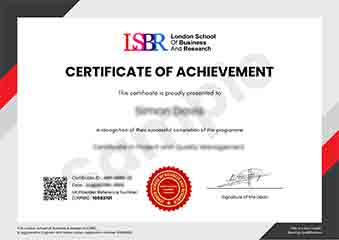
Sample Certificate
Preview the certificate you'll receive upon successful completion of this program.
Get Free Course Info
Receive detailed course information, curriculum breakdown, and career outcomes straight to your inbox.
Employer Sponsored?
Many employers cover professional development costs. Request a corporate invoice and we'll handle the rest. Bulk enrollment discounts available for teams of 3+.
Your Path to Certification
Four simple steps to your professionally recognised qualification
Enroll & Get Instant Access
Complete your enrollment and access course materials immediately
Study at Your Own Pace
Work through the modules on your schedule, from anywhere in the world
Complete Assessments
Demonstrate your knowledge through practical, real-world assessments
Receive Your Certificate
Get your official LSBR UK certificate, recognised across 180+ countries
Join Thousands Who Transformed Their Careers
Our graduates consistently report measurable career growth and professional advancement after completing their programmes.
What People Say About Us
Hear from our students about their experience with the Professional Certificate in Computational Biocatalysis Design at LSBR UK - Executive Education.
Charlotte Williams
United Kingdom"The course content is incredibly thorough and well-structured, providing a solid foundation in computational biocatalysis design that has significantly enhanced my ability to model and optimize biocatalytic processes. I've gained practical skills that are directly applicable to real-world problems, making me more competitive in the field."
Muhammad Hassan
Malaysia"This course has been instrumental in bridging the gap between theoretical knowledge and practical applications in biocatalysis. It has significantly enhanced my ability to design and optimize biocatalytic processes, making me more competitive in the job market and opening up new career opportunities in the pharmaceutical industry."
Ryan MacLeod
Canada"The course structure is well-organized, providing a clear path from foundational concepts to advanced topics in computational biocatalysis design, which has significantly enhanced my understanding and practical skills in this field. The comprehensive content and real-world applications have been particularly beneficial for my professional growth, equipping me with the knowledge to tackle complex biocatalysis challenges."
Still deciding?
Join 23,000+ professionals who advanced their careers. Enroll today and start learning immediately.
Enroll NowSecure payment • Instant access • Certificate included