
Professional Certificate in Genetic Engineering in Aquatic Species
This certificate equips professionals with advanced knowledge and skills in genetic engineering techniques specifically for aquatic species, enhancing breeding and conservation efforts.
Professional Certificate in Genetic Engineering in Aquatic Species
Programme Overview
The Professional Certificate in Genetic Engineering in Aquatic Species is designed for professionals and students with an interest in aquatic biology, biotechnology, and environmental science. This program provides an in-depth exploration of genetic engineering techniques as applied to aquatic species, including fish, shellfish, and other marine organisms. Participants will gain a comprehensive understanding of genetic principles, molecular biology, and the ethical considerations surrounding genetic manipulation in aquatic environments.
Learners will develop key skills in genetic analysis, molecular cloning, transgenic techniques, and the application of genetic engineering in enhancing aquatic species for improved sustainability, disease resistance, and environmental adaptation. The program also emphasizes the importance of regulatory compliance, risk assessment, and biodiversity conservation in the field of genetic engineering. By the end of the program, students will be equipped to contribute effectively to research, biotechnology, and aquaculture industries.
This certificate will significantly impact career trajectories in biotechnology, aquaculture management, environmental conservation, and regulatory affairs. Graduates will be well-prepared to lead projects that integrate genetic engineering for the sustainable development of aquatic resources, meet industry demands for innovative solutions in aquaculture, and contribute to global efforts in marine biodiversity conservation.
What You'll Learn
The Professional Certificate in Genetic Engineering in Aquatic Species is a comprehensive course designed to equip professionals with advanced skills in genetic manipulation techniques tailored for aquatic species. This program is invaluable for researchers, biotechnologists, and scientists who wish to advance their careers in genetic engineering or those looking to contribute to the development of sustainable aquaculture practices.
Key topics include the principles of genetic engineering, molecular biology techniques, genetic modification of fish and shellfish, and the ethical and regulatory considerations in genetic engineering. Students will also engage in practical laboratory work, allowing them to apply theoretical knowledge in real-world scenarios. The curriculum emphasizes the importance of safe and ethical practices in genetic engineering, preparing graduates to conduct research and develop technologies that enhance aquatic biodiversity and environmental sustainability.
Upon completion, graduates are well-prepared to pursue careers in academic research, biotech firms, governmental agencies, and non-profit organizations focused on aquatic genetic engineering. Opportunities include roles such as genetic engineer, bioinformatician, and research scientist, where they can contribute to the genetic improvement of aquatic species for improved health, disease resistance, and environmental adaptability. This program not only enhances professional skills but also fosters a deeper understanding of the complexities and potential impacts of genetic engineering in aquatic ecosystems.
Programme Highlights
Industry-Aligned Curriculum
Developed with industry leaders for job-ready skills
Globally Recognised Certificate
Recognised by employers across 180+ countries
Flexible Online Learning
Study at your own pace with lifetime access
Instant Access
Start learning immediately, no application process
Constantly Updated Content
Latest industry trends and best practices
Career Advancement
87% report measurable career progression within 6 months
Topics Covered
- Introduction to Genetic Engineering: Provides an overview of genetic engineering and its applications in aquatic species.: Molecular Biology Techniques: Covers essential techniques for manipulating DNA in aquatic organisms.
- Gene Identification and Isolation: Focuses on methods for identifying and isolating genes relevant to aquatic species.: Gene Transfer Methods: Discusses various methods for introducing genes into aquatic organisms.
- Genetic Manipulation in Aquatic Species: Explores the genetic modification of aquatic organisms for specific traits.: Regulatory and Ethical Considerations: Examines the legal and ethical issues surrounding genetic engineering in aquatic species.
What You Get When You Enroll
Key Facts
Audience: Biotechnologists, Aquaculture professionals
Prerequisites: Bachelor's degree in biology, genetics
Outcomes: Expertise in genetic modification techniques, regulatory compliance
Ready to Advance Your Career?
Join thousands of professionals who have transformed their careers with LSBR UK
Why This Course
Enhanced Career Opportunities: Professionals with a 'Professional Certificate in Genetic Engineering in Aquatic Species' can expand their career horizons in various sectors such as aquaculture, fisheries, and biotechnology. This certification provides a solid foundation in genetic engineering techniques tailored to aquatic organisms, making professionals more competitive in the job market. For instance, candidates can secure roles in developing genetically enhanced fish that are more resilient to disease or better suited to specific environmental conditions.
Advanced Skill Development: The certificate program focuses on both theoretical knowledge and practical skills, including genetic screening, gene editing, and transgenic techniques. These skills are essential for geneticists, biotechnologists, and researchers aiming to innovate in the field of aquatic genetic engineering. Specific skills like CRISPR-Cas9 gene editing, which is crucial for precise genetic modifications, are directly applicable in both research and commercial settings.
Increased Industry Relevance and Demand: With growing global concerns about food security and sustainable practices, there is a rising demand for technologies that can enhance the productivity and sustainability of aquatic species. Professionals holding this certificate are well-prepared to address these challenges, offering solutions that can increase fish and shellfish production while reducing environmental impact. This demand translates into higher job opportunities and potentially better compensation, as organizations seek experts skilled in cutting-edge genetic engineering techniques.
3-4 Weeks
Study at your own pace
Course Brochure
Download our comprehensive course brochure with all details
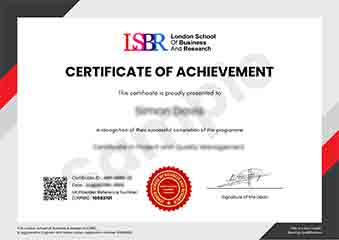
Sample Certificate
Preview the certificate you'll receive upon successful completion of this program.
Get Free Course Info
Receive detailed course information, curriculum breakdown, and career outcomes straight to your inbox.
Employer Sponsored?
Many employers cover professional development costs. Request a corporate invoice and we'll handle the rest. Bulk enrollment discounts available for teams of 3+.
Your Path to Certification
Four simple steps to your professionally recognised qualification
Enroll & Get Instant Access
Complete your enrollment and access course materials immediately
Study at Your Own Pace
Work through the modules on your schedule, from anywhere in the world
Complete Assessments
Demonstrate your knowledge through practical, real-world assessments
Receive Your Certificate
Get your official LSBR UK certificate, recognised across 180+ countries
Join Thousands Who Transformed Their Careers
Our graduates consistently report measurable career growth and professional advancement after completing their programmes.
What People Say About Us
Hear from our students about their experience with the Professional Certificate in Genetic Engineering in Aquatic Species at LSBR UK - Executive Education.
Oliver Davies
United Kingdom"The course content was incredibly thorough, providing a deep dive into genetic engineering techniques specific to aquatic species, which has significantly enhanced my practical skills in this field. I now feel well-equipped to tackle real-world challenges in aquaculture and marine biology."
Ahmad Rahman
Malaysia"This course has been incredibly valuable, equipping me with the latest techniques in genetic engineering that are directly applicable in the aquaculture industry. It has opened up new career opportunities and enhanced my ability to contribute to sustainable aquatic species management."
Klaus Mueller
Germany"The course structure was well-organized, providing a clear path from foundational concepts to advanced applications in genetic engineering for aquatic species, which greatly enhanced my understanding and practical knowledge in the field. It offered a wealth of real-world examples that bridged the gap between theory and application, significantly boosting my professional growth."
Still deciding?
Join 23,000+ professionals who advanced their careers. Enroll today and start learning immediately.
Enroll NowSecure payment • Instant access • Certificate included