
Professional Certificate in Safety First: Handling Lab Equipment Failures
Elevate lab safety skills with this certificate, equipping you to handle equipment failures confidently and efficiently.
Professional Certificate in Safety First: Handling Lab Equipment Failures
About This Course
The Professional Certificate in Safety First: Handling Lab Equipment Failures is a comprehensive program designed for laboratory technicians, researchers, and safety officers in various scientific fields. This program equips participants with the essential knowledge and skills to manage and mitigate risks associated with equipment failures effectively. Participants will learn to identify potential hazards, understand the underlying causes of equipment malfunctions, and implement corrective actions to prevent recurrence. The curriculum includes modules on safety protocols, emergency response procedures, maintenance techniques, and the use of diagnostic tools to assess and resolve equipment issues.
Key skills and knowledge developed through this program include risk assessment, emergency response planning, equipment maintenance, troubleshooting, and compliance with safety regulations. Participants will gain hands-on experience using specialized diagnostic tools and software to monitor equipment performance and promptly address failures. This program also emphasizes the importance of continuous improvement and the integration of safety measures into daily laboratory operations.
The Professional Certificate in Safety First significantly impacts careers by enhancing the safety and efficiency of laboratory operations. Graduates will be better prepared to handle equipment failures, thereby reducing the risk of accidents and maintaining a safe working environment. This certification can lead to enhanced job security, promotion opportunities, and increased trust from colleagues and regulatory bodies. It also positions professionals as leaders in safety and reliability within their organizations, contributing to a culture of continuous improvement and compliance.
What You Will Learn
The Professional Certificate in Safety First: Handling Lab Equipment Failures is meticulously designed to equip professionals with the knowledge and skills necessary to manage and prevent equipment failures in laboratory settings. This comprehensive program, tailored for scientists, researchers, and lab technicians, delves into the intricacies of identifying potential risks, diagnosing equipment malfunctions, and implementing safety measures to ensure operational efficiency and personnel safety.
Key topics include understanding the design and functionality of common lab equipment, recognizing signs of impending failures, and executing effective maintenance protocols. Participants will also learn how to develop emergency response plans and conduct risk assessments to mitigate hazards.
Upon completion, graduates will be adept at handling equipment failures with confidence, reducing downtime, and maintaining a safe working environment. They will be prepared to contribute to the continuous improvement of laboratory processes and enhance overall safety standards.
This program opens doors to a variety of career opportunities, including roles in laboratory management, equipment maintenance, and safety oversight. Graduates can pursue positions such as Lab Safety Officer, Laboratory Equipment Specialist, or Quality Assurance Manager, where they can apply their skills to safeguard laboratory operations and contribute to the advancement of their field.
Course Benefits
Industry-Aligned Curriculum
Developed with industry leaders for job-ready skills
Globally Recognised Certificate
Recognised by employers across 180+ countries
Flexible Online Learning
Study at your own pace with lifetime access
Instant Access
Start learning immediately, no application process
Constantly Updated Content
Latest industry trends and best practices
Career Advancement
87% report measurable career progression within 6 months
What This Course Covers
- Foundational Concepts: Covers the core principles and key terminology.: Risk Assessment Techniques: Introduces methods for identifying and evaluating risks.
- Emergency Procedures: Outlines steps to follow in case of equipment failure.: Maintenance Best Practices: Discusses strategies for regular equipment upkeep.
- Troubleshooting Guide: Provides a step-by-step approach to resolving issues.: Safety Protocols: Details the essential safety measures and procedures.
Everything You Get With This Course
Course Facts
Audience: Lab technicians, safety officers
Prerequisites: Basic lab skills, safety training
Outcomes: Identify equipment hazards, troubleshoot issues, ensure safety compliance
Ready to Advance Your Career?
Join thousands of professionals who have transformed their careers with LSBR UK
Why This Course Is Right for You
Enhanced Safety Standards: Obtaining a 'Professional Certificate in Safety First: Handling Lab Equipment Failures' ensures that professionals are well-versed in safety protocols. This certification equips them with the knowledge to identify, respond to, and prevent equipment failures, thereby creating a safer work environment. According to industry standards, certified professionals are more likely to adhere to strict safety guidelines, reducing the risk of accidents and equipment malfunctions.
Advanced Troubleshooting Skills: The certificate provides comprehensive training in troubleshooting various lab equipment issues. Individuals can quickly diagnose and resolve minor to complex equipment failures, increasing operational efficiency. For example, a certified professional might implement a systematic approach to identify the root cause of an equipment malfunction, such as using diagnostic tools and following established protocols, which can save significant time and resources.
Career Advancement Opportunities: Earning this certification can open doors to higher positions within the laboratory or research field. Employers often prioritize candidates who demonstrate a commitment to professional development and safety. For instance, a certified professional might be eligible for roles such as lab supervisor, quality assurance manager, or safety officer, where they can apply their expertise in equipment management and safety protocols.
3-4 Weeks
Study at your own pace
Course Brochure
Download our comprehensive course brochure with all details
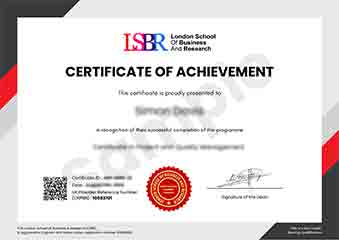
Sample Certificate
Preview the certificate you'll receive upon successful completion of this program.
Get Free Course Info
Receive detailed course information, curriculum breakdown, and career outcomes straight to your inbox.
Employer Sponsored?
Many employers cover professional development costs. Request a corporate invoice and we'll handle the rest. Bulk enrollment discounts available for teams of 3+.
How You Earn Your Certificate
Four simple steps to your professionally recognised qualification
Enroll & Get Instant Access
Complete your enrollment and access course materials immediately
Study at Your Own Pace
Work through the modules on your schedule, from anywhere in the world
Complete Assessments
Demonstrate your knowledge through practical, real-world assessments
Receive Your Certificate
Get your official LSBR UK certificate, recognised across 180+ countries
Real Results from Real Learners
Our graduates consistently report measurable career growth and professional advancement after completing their programmes.
Reviews from Our Learners
Hear from our students about their experience with the Professional Certificate in Safety First: Handling Lab Equipment Failures at LSBR UK - Executive Education.
Oliver Davies
United Kingdom"The course provided comprehensive and detailed material on handling lab equipment failures, which significantly enhanced my practical skills and confidence in managing unexpected issues in a laboratory setting. Gaining this knowledge has been invaluable for my career, as it has prepared me to handle emergencies more effectively and safely."
Rahul Singh
India"This course has been incredibly valuable, equipping me with practical skills to handle lab equipment failures effectively. It has not only enhanced my industry knowledge but also opened up new career opportunities in safety management roles."
Muhammad Hassan
Malaysia"The course structure was well-organized, providing a clear path from basic to advanced concepts in handling lab equipment failures, which greatly enhanced my understanding and prepared me for real-world scenarios. It offered a wealth of knowledge that has significantly contributed to my professional growth in ensuring safety in laboratory settings."
Need more time to decide?
Join 23,000+ professionals who advanced their careers. Enroll today and start learning immediately.
Enroll NowSecure payment • Instant access • Certificate included