
Undergraduate Certificate in Anthropology of Human Diet and Nutrition
Explores human diet and nutrition through anthropological lens, enhancing cultural understanding and nutrition practices.
Undergraduate Certificate in Anthropology of Human Diet and Nutrition
Programme Overview
The Undergraduate Certificate in Anthropology of Human Diet and Nutrition provides a comprehensive foundation in the social and cultural aspects of food production, distribution, and consumption. This programme is designed for students from diverse backgrounds, including anthropology, nutrition, sociology, and public health, who seek to understand the complex relationships between human diet, nutrition, and culture.
Through a combination of theoretical and applied courses, learners will develop practical skills in ethnographic research, nutritional analysis, and programme evaluation. They will acquire in-depth knowledge of the cultural, economic, and environmental factors that shape human dietary practices, as well as the impact of globalisation and urbanisation on food systems. Students will also learn to critically evaluate the role of power, inequality, and social justice in determining access to nutritious food and healthcare.
Graduates of this programme will be well-equipped to pursue careers in public health, nutrition education, food policy, and international development, working with government agencies, non-profit organisations, or private companies to design and implement effective nutrition programmes and policies.
What You'll Learn
The Undergraduate Certificate in Anthropology of Human Diet and Nutrition offers a unique blend of social and biological sciences, equipping students with a comprehensive understanding of the complex relationships between food, culture, and human health. In today's fast-paced and increasingly globalized world, professionals with expertise in this field are highly sought after, particularly in industries such as public health, food systems, and nutrition education.
Key topics covered in this programme include the evolution of human diet, nutritional anthropology, food politics, and the cultural significance of food and eating. Students develop competencies in ethnographic research methods, nutritional analysis, and programme planning and evaluation, as well as critical thinking and problem-solving skills.
Graduates of this programme apply their knowledge and skills in real-world settings, such as designing and implementing nutrition education programmes, conducting research on food security and sustainability, and working with communities to develop culturally sensitive health interventions. They also develop expertise in frameworks such as the socio-ecological model and the nutrition care process, which they can apply in a variety of industry settings, including government agencies, non-profit organizations, and private companies.
Career advancement opportunities for graduates include roles such as nutrition programme coordinator, public health educator, and food systems researcher, with potential for advancement to senior positions such as nutrition policy analyst or global health specialist. The programme's interdisciplinary approach and emphasis on practical skills prepare students for a wide range of career paths and provide a strong foundation for further academic study.
Programme Highlights
Industry-Aligned Curriculum
Developed with industry leaders for job-ready skills
Globally Recognised Certificate
Recognised by employers across 180+ countries
Flexible Online Learning
Study at your own pace with lifetime access
Instant Access
Start learning immediately, no application process
Constantly Updated Content
Latest industry trends and best practices
Career Advancement
87% report measurable career progression within 6 months
Topics Covered
- Introduction to Anthropology: Exploring human cultures and societies.
- Human Evolution: Studying human origins and development.
- Nutrition and Health: Understanding diet and well-being relationships.
- Food Culture and Society: Examining food's social significance.
- Anthropology of Eating: Analyzing eating habits and practices.
- Global Food Systems: Investigating food production and distribution.
What You Get When You Enroll
Key Facts
Target Audience: Health professionals, nutritionists, and students interested in human diet and nutrition from an anthropological perspective.
Prerequisites: No formal prerequisites required.
Learning Outcomes:
Analyze the relationship between human diet, nutrition, and cultural practices.
Evaluate the impact of environmental factors on human nutrition and health.
Apply anthropological theories to real-world problems in human diet and nutrition.
Design and implement nutrition programs that consider cultural and social factors.
Critique existing research on human diet and nutrition from an anthropological perspective.
Assessment Method: Quiz-based assessment to evaluate understanding of key concepts and theories.
Certification: Industry-recognised digital certificate awarded upon successful completion of the program.
Ready to Advance Your Career?
Join thousands of professionals who have transformed their careers with LSBR UK
Why This Course
The 'Undergraduate Certificate in Anthropology of Human Diet and Nutrition' programme offers a unique opportunity for professionals to delve into the complex relationships between food, culture, and human health, unlocking new perspectives and career paths. By exploring the social and cultural contexts of dietary practices, professionals can gain a deeper understanding of the intricate factors that shape human nutrition and well-being.
Interdisciplinary knowledge: The programme provides a comprehensive understanding of the anthropological aspects of human diet and nutrition, enabling professionals to develop a nuanced approach to addressing nutritional challenges in diverse cultural contexts. This interdisciplinary knowledge can be applied in various fields, such as public health, nutrition education, and food policy development. Professionals can leverage this expertise to design and implement effective interventions that account for the social and cultural determinants of nutrition.
Cultural competence: The programme equips professionals with the skills to navigate complex cultural landscapes and develop culturally sensitive nutrition programs, which is essential in today's globalized and diverse societies. By understanding the cultural significance of food and dietary practices, professionals can build trust with diverse communities and design nutrition interventions that are tailored to their specific needs and values.
Critical thinking and research skills: The programme fosters critical thinking and research skills, enabling professionals to analyze and interpret complex data on dietary patterns, nutrition outcomes, and cultural influences. This expertise can be applied in various settings, such as academia, research institutions, and policy organizations, where professionals can contribute to the development of evidence-based nutrition policies and
3-4 Weeks
Study at your own pace
Course Brochure
Download our comprehensive course brochure with all details
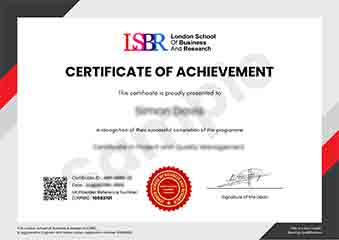
Sample Certificate
Preview the certificate you'll receive upon successful completion of this program.
Get Free Course Info
Receive detailed course information, curriculum breakdown, and career outcomes straight to your inbox.
Employer Sponsored?
Many employers cover professional development costs. Request a corporate invoice and we'll handle the rest. Bulk enrollment discounts available for teams of 3+.
Your Path to Certification
Four simple steps to your professionally recognised qualification
Enroll & Get Instant Access
Complete your enrollment and access course materials immediately
Study at Your Own Pace
Work through the modules on your schedule, from anywhere in the world
Complete Assessments
Demonstrate your knowledge through practical, real-world assessments
Receive Your Certificate
Get your official LSBR UK certificate, recognised across 180+ countries
Join Thousands Who Transformed Their Careers
Our graduates consistently report measurable career growth and professional advancement after completing their programmes.
What People Say About Us
Hear from our students about their experience with the Undergraduate Certificate in Anthropology of Human Diet and Nutrition at LSBR UK - Executive Education.
Sophie Brown
United Kingdom"The course material was incredibly comprehensive, covering a wide range of topics from the evolution of human diet to the cultural significance of food, which not only deepened my understanding of the complex relationships between human biology, culture, and nutrition, but also equipped me with practical skills to critically analyze and apply anthropological principles to real-world problems. Through this course, I gained valuable insights into the social and environmental factors that shape human dietary practices, which I believe will greatly benefit my future career in public health. The knowledge and skills I acquired have been truly transformative, allowing me to approach issues of nutrition and health from a more nuanced and holistic perspective."
Priya Sharma
India"The Undergraduate Certificate in Anthropology of Human Diet and Nutrition has been instrumental in shaping my understanding of the complex relationships between food, culture, and health, allowing me to develop a unique set of skills that are highly valued in the healthcare and food industries. This certificate has not only enhanced my career prospects but also given me a competitive edge in the job market, with many potential employers recognizing the relevance of anthropological insights in addressing contemporary nutrition and health challenges. By applying the knowledge and skills gained from this program, I have been able to transition into a role that combines my passion for nutrition and cultural diversity, and I am excited to see where this newfound expertise will take me in the future."
Hans Weber
Germany"The course structure was well-organized, allowing me to seamlessly transition between topics and gain a comprehensive understanding of the complex relationships between human diet, nutrition, and culture. I appreciated how the curriculum incorporated real-world examples, making it easier to apply theoretical concepts to practical scenarios and deepening my knowledge of the field. Through this course, I developed a nuanced understanding of the anthropological aspects of human diet and nutrition, which has significantly enhanced my professional growth and sparked a newfound interest in the subject."
Still deciding?
Join 23,000+ professionals who advanced their careers. Enroll today and start learning immediately.
Enroll NowSecure payment • Instant access • Certificate included