
Undergraduate Certificate in Biochemical Signal Transduction Pathways
Gain expertise in biochemical signal transduction pathways, earning an Undergraduate Certificate with knowledge applicable to research and healthcare.
Undergraduate Certificate in Biochemical Signal Transduction Pathways
Programme Overview
The Undergraduate Certificate in Biochemical Signal Transduction Pathways is designed for students with a foundational interest in the molecular and cellular processes that mediate signal transmission within and between cells. This program delves into the mechanisms of signal transduction pathways, including receptor activation, second messenger systems, and gene regulation. It also explores the roles of these pathways in physiological processes and diseases, such as cancer and metabolic disorders. The curriculum is structured to cater to both biology and chemistry majors, providing them with a robust understanding of the biochemical and molecular basis of cellular communication.
Students in this program will develop a comprehensive set of skills, including the ability to analyze and interpret complex biochemical data, understand the molecular mechanisms underlying various signaling pathways, and apply this knowledge to solve real-world biological problems. They will also learn to critically evaluate scientific literature and use advanced laboratory techniques to conduct experiments and validate hypotheses. These skills are essential for engaging in advanced research, regulatory affairs, and translational medicine.
The career impact of this program is significant, as graduates will be well-prepared for careers in a wide range of fields, including pharmaceutical research and development, biotechnology, and biomedical engineering. They will also be equipped to pursue advanced degrees in biochemistry, molecular biology, or related fields, positioning them for roles in academia and industry where they can contribute to groundbreaking research and innovation in biochemical signal transduction pathways.
What You'll Learn
Embark on a transformative journey into the heart of molecular biology with the Undergraduate Certificate in Biochemical Signal Transduction Pathways. This cutting-edge program equips students with a deep understanding of the intricate mechanisms that govern cellular communication, essential for advancing medical research and drug development. Key topics include signal transduction pathways, protein-protein interactions, and the role of enzymes in cellular signaling. Through hands-on laboratory work, students explore how these pathways dictate cellular responses to extracellular stimuli, such as hormones and neurotransmitters.
Upon completion, graduates are well-prepared to apply their knowledge in diverse roles within academia, pharmaceutical companies, and research institutions. They can contribute to the development of new treatments for diseases like diabetes, cancer, and neurological disorders by designing and testing novel therapeutic approaches. The program also fosters critical thinking and problem-solving skills, enabling graduates to analyze complex data and contribute to cutting-edge research projects.
This comprehensive program opens doors to a wide array of career opportunities, including research assistant, laboratory technician, and scientific analyst. Graduates may also pursue advanced degrees to delve deeper into specialized areas of biochemical signaling or embark on a path to become a scientific researcher, pushing the boundaries of our understanding of cellular processes and their implications for human health.
Programme Highlights
Industry-Aligned Curriculum
Developed with industry leaders for job-ready skills
Globally Recognised Certificate
Recognised by employers across 180+ countries
Flexible Online Learning
Study at your own pace with lifetime access
Instant Access
Start learning immediately, no application process
Constantly Updated Content
Latest industry trends and best practices
Career Advancement
87% report measurable career progression within 6 months
Topics Covered
- Introduction to Signal Transduction: Provides an overview of signal transduction pathways and their importance in cellular function.: Enzyme Catalysis in Signal Pathways: Examines the role of enzymes in signal transduction and their mechanisms of action.
- Receptor Biology: Discusses different types of receptors and their mechanisms of signaling.: Second Messengers: Explores the role of second messengers in amplifying and transmitting signals within cells.
- Nuclear Signaling: Covers the mechanisms by which signals are transmitted to the nucleus and regulate gene expression.: Signal Transduction Disorders: Analyzes how disruptions in signal transduction pathways lead to various diseases and conditions.
What You Get When You Enroll
Key Facts
Audience: Biology, Chemistry, or Life Science majors
Prerequisites: High school biology and chemistry
Outcomes: Understand biochemical signaling mechanisms, design experiments, interpret data
Ready to Advance Your Career?
Join thousands of professionals who have transformed their careers with LSBR UK
Why This Course
Enhanced Specialization and Marketability: An undergraduate certificate in Biochemical Signal Transduction Pathways offers professionals a deeper understanding of cellular signaling networks, which are crucial for advancements in biotechnology and pharmaceutical research. This specialized knowledge can make candidates more appealing to employers in sectors like drug development, biotech startups, and academic research institutions, enhancing their career prospects.
Skill Development for Research and Analysis: The curriculum typically includes hands-on laboratory work and theoretical studies, fostering critical thinking, experimental design, and data analysis skills. These competencies are highly valued in industries that rely on rigorous scientific research, such as pharmaceuticals, biotech, and medical diagnostics.
Career Advancement Opportunities: This certificate can serve as a stepping stone for advanced degree programs or specialized certifications. For instance, it can lead to a Master's in Biochemistry or related fields, opening up roles in research management, product development, or advanced laboratory positions. Furthermore, it equips professionals with the foundational knowledge necessary for pursuing roles in translational research and clinical trials, where understanding biochemical pathways is essential.
3-4 Weeks
Study at your own pace
Course Brochure
Download our comprehensive course brochure with all details
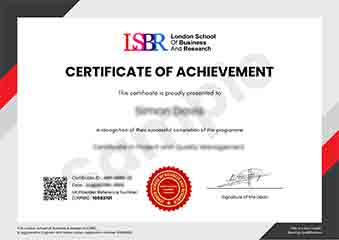
Sample Certificate
Preview the certificate you'll receive upon successful completion of this program.
Get Free Course Info
Receive detailed course information, curriculum breakdown, and career outcomes straight to your inbox.
Employer Sponsored?
Many employers cover professional development costs. Request a corporate invoice and we'll handle the rest. Bulk enrollment discounts available for teams of 3+.
Your Path to Certification
Four simple steps to your professionally recognised qualification
Enroll & Get Instant Access
Complete your enrollment and access course materials immediately
Study at Your Own Pace
Work through the modules on your schedule, from anywhere in the world
Complete Assessments
Demonstrate your knowledge through practical, real-world assessments
Receive Your Certificate
Get your official LSBR UK certificate, recognised across 180+ countries
Join Thousands Who Transformed Their Careers
Our graduates consistently report measurable career growth and professional advancement after completing their programmes.
What People Say About Us
Hear from our students about their experience with the Undergraduate Certificate in Biochemical Signal Transduction Pathways at LSBR UK - Executive Education.
James Thompson
United Kingdom"The course provided a deep dive into biochemical signal transduction pathways, equipping me with a robust understanding of cellular signaling mechanisms. Gaining insights into how these pathways impact various diseases has significantly enhanced my analytical skills and prepared me well for a career in biotechnology."
Mei Ling Wong
Singapore"This course has been incredibly valuable, equipping me with a deep understanding of biochemical pathways that directly translates to practical applications in the pharmaceutical industry. It has significantly enhanced my resume and opened up new career opportunities in research and development."
Greta Fischer
Germany"The course structure is well-organized, providing a clear progression from basic concepts to advanced biochemical pathways, which greatly enhances understanding and retention. The comprehensive content not only covers essential theories but also highlights their real-world applications, significantly boosting my knowledge and professional growth in the field."
Still deciding?
Join 23,000+ professionals who advanced their careers. Enroll today and start learning immediately.
Enroll NowSecure payment • Instant access • Certificate included