
Undergraduate Certificate in Biological Image Processing Techniques
Earn a certificate in Biological Image Processing Techniques to gain specialized skills in imaging technologies, data analysis, and applications in biological research.
Undergraduate Certificate in Biological Image Processing Techniques
Programme Overview
The Undergraduate Certificate in Biological Image Processing Techniques is designed for students and professionals with a foundational interest in biological sciences and digital imaging technology. This program equips learners with a comprehensive understanding of image acquisition, processing, and analysis techniques, tailored to the unique challenges of biological data. Through a blend of theoretical and practical modules, students gain expertise in using advanced software and hardware for imaging, including fluorescence microscopy, confocal microscopy, and super-resolution imaging techniques. The curriculum also covers fundamental concepts in image processing, such as filtering, segmentation, and feature extraction, enabling learners to develop robust methods for analyzing complex biological images.
Students will develop a range of key skills, including proficiency in software tools like ImageJ and MATLAB, and the ability to apply machine learning techniques to enhance image quality and extract meaningful biological insights. They will learn to design and implement image processing pipelines for various biological applications, from single-cell analysis to the study of tissue architecture. This program also emphasizes the importance of ethical considerations in the use of imaging technologies in biological research and healthcare.
Graduates of this program are well-positioned to pursue careers in diverse fields, including biotechnology, pharmaceuticals, medical imaging, and academic research. Potential roles include research assistant, image processing specialist, and data scientist in biotech companies or research institutions. The program's focus on both technical skills and interdisciplinary approaches prepares learners to contribute effectively to cutting-edge research and development in the biological sciences.
What You'll Learn
Explore the cutting-edge world of biological image processing with the Undergraduate Certificate in Biological Image Processing Techniques. This program equips you with advanced skills in image acquisition, processing, analysis, and visualization, using both traditional and modern computational tools. You will delve into topics such as digital image processing, computer vision, machine learning, and bioinformatics, providing a comprehensive understanding of how to extract meaningful biological insights from complex data.
Upon completion, you will be proficient in using software tools and programming languages commonly used in biological research, including MATLAB, Python, and R. Graduates apply these skills in diverse areas, from genomics and proteomics to medical imaging and environmental monitoring, enhancing the accuracy and efficiency of biological research and diagnostics.
This program opens doors to a variety of career opportunities, including researcher, data scientist, and software developer roles in academia, pharmaceuticals, biotech, and government agencies. With the increasing demand for sophisticated data analysis in biological sciences, this certificate enhances your employability and prepares you for a dynamic and rewarding career at the intersection of biology and technology.
Programme Highlights
Industry-Aligned Curriculum
Developed with industry leaders for job-ready skills
Globally Recognised Certificate
Recognised by employers across 180+ countries
Flexible Online Learning
Study at your own pace with lifetime access
Instant Access
Start learning immediately, no application process
Constantly Updated Content
Latest industry trends and best practices
Career Advancement
87% report measurable career progression within 6 months
Topics Covered
- Image Acquisition: Covers methods and technologies for capturing biological images.: Image Preprocessing: Discusses techniques for preparing images for analysis.
- Feature Extraction: Focuses on identifying and quantifying features in images.: Machine Learning Basics: Introduces fundamental machine learning concepts and their applications in image processing.
- Image Segmentation: Teaches methods for dividing images into distinct regions.: Image Analysis: Explores advanced techniques for analyzing biological images.
What You Get When You Enroll
Key Facts
Audience: Biology, computer science students
Prerequisites: High school biology, basic computing skills
Outcomes: Proficient in image analysis, bioinformatics tools
Ready to Advance Your Career?
Join thousands of professionals who have transformed their careers with LSBR UK
Why This Course
Enhanced Career Opportunities: Obtaining an Undergraduate Certificate in Biological Image Processing Techniques can significantly expand career prospects in research, biotechnology, and medical fields. This certificate equips professionals with specialized skills in analyzing and interpreting biological images, making them valuable in areas such as genomics, proteomics, and neuroscience. For instance, expertise in image processing can be crucial for developing algorithms to analyze large datasets in genomics research, aiding in the discovery of new biological insights and therapeutic targets.
Advanced Skill Development: The certificate program focuses on advanced techniques in image acquisition, processing, and analysis, which are essential for addressing complex biological data. Professionals will learn to use cutting-edge software and tools, such as ImageJ and MATLAB, to manipulate and analyze imaging data. These skills are not only useful in academic settings but also in industry, particularly in pharmaceutical and biotech companies, where image analysis is critical for product development and quality control.
Interdisciplinary Collaboration: Biological image processing often requires collaboration across disciplines, including biology, computer science, and statistics. This certificate program fosters an understanding of these interdisciplinary approaches, enhancing professionals' ability to work in diverse teams. For example, professionals with this certification can effectively collaborate with biologists to design and implement image analysis methods that address specific biological questions, leading to more innovative and impactful research outcomes.
3-4 Weeks
Study at your own pace
Course Brochure
Download our comprehensive course brochure with all details
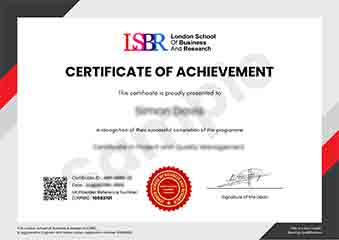
Sample Certificate
Preview the certificate you'll receive upon successful completion of this program.
Get Free Course Info
Receive detailed course information, curriculum breakdown, and career outcomes straight to your inbox.
Employer Sponsored?
Many employers cover professional development costs. Request a corporate invoice and we'll handle the rest. Bulk enrollment discounts available for teams of 3+.
Your Path to Certification
Four simple steps to your professionally recognised qualification
Enroll & Get Instant Access
Complete your enrollment and access course materials immediately
Study at Your Own Pace
Work through the modules on your schedule, from anywhere in the world
Complete Assessments
Demonstrate your knowledge through practical, real-world assessments
Receive Your Certificate
Get your official LSBR UK certificate, recognised across 180+ countries
Join Thousands Who Transformed Their Careers
Our graduates consistently report measurable career growth and professional advancement after completing their programmes.
What People Say About Us
Hear from our students about their experience with the Undergraduate Certificate in Biological Image Processing Techniques at LSBR UK - Executive Education.
Sophie Brown
United Kingdom"The course provided high-quality, up-to-date content that significantly enhanced my understanding of biological image processing techniques, and I gained practical skills that are directly applicable in my field, opening new avenues for my career."
Jack Thompson
Australia"This course has been incredibly valuable, equipping me with advanced image processing techniques that are directly applicable in the biotech industry. It has not only enhanced my analytical skills but also opened up new career opportunities in research and development."
James Thompson
United Kingdom"The course structure is well-organized, providing a comprehensive overview of biological image processing techniques that seamlessly blend theoretical knowledge with practical applications, enhancing my understanding and preparing me for real-world challenges in the field."
Still deciding?
Join 23,000+ professionals who advanced their careers. Enroll today and start learning immediately.
Enroll NowSecure payment • Instant access • Certificate included