
Undergraduate Certificate in Decolonizing Linguistic Landscapes
Gain skills in analyzing and transforming linguistic landscapes to promote linguistic diversity and equity.
Undergraduate Certificate in Decolonizing Linguistic Landscapes
Programme Overview
The Undergraduate Certificate in Decolonizing Linguistic Landscapes is a comprehensive program designed for undergraduate students, educators, and professionals seeking to understand and transform the linguistic environments in ways that respect and amplify diverse voices. This program explores the historical and contemporary impacts of colonialism on linguistic practices and the visual representation of languages in public spaces. Students will study the socio-political dynamics that influence linguistic landscapes and learn strategies for promoting linguistic diversity and inclusivity.
Central to the program are the development of critical thinking and analytical skills in linguistics, cultural studies, and sociolinguistics. Learners will gain proficiency in analyzing and interpreting linguistic representations in urban settings, developing culturally sensitive and linguistically inclusive public signage, and engaging with communities to foster dialogue around language rights and representation. By the end of the program, students will be adept at applying theoretical knowledge to practical scenarios, enhancing their ability to advocate for linguistic justice and equity.
The career impact of this program is significant, equipping graduates with the knowledge and skills necessary for roles in education, public policy, community development, and urban planning. Graduates will be well-prepared to contribute to initiatives aimed at decolonizing linguistic landscapes, promoting linguistic diversity, and ensuring that all voices are heard and valued in public spaces.
What You'll Learn
Embark on a transformative journey with the Undergraduate Certificate in Decolonizing Linguistic Landscapes. This innovative program equips students with the critical skills needed to address linguistic diversity and cultural representation in public spaces. By exploring the historical and contemporary impacts of colonialism on language and identity, students gain a deep understanding of the complexities of linguistic landscapes. Key topics include the politics of language in urban settings, the role of translation and interpretation, and the intersection of language with social justice.
Graduates are well-prepared to apply these insights in various fields. They can work as language policy advisors, community linguists, or urban planners, ensuring that linguistic diversity is valued and celebrated in cities and online spaces. The certificate also provides a strong foundation for further study in fields such as linguistics, anthropology, and cultural studies. Whether you aim to advocate for linguistic rights, design inclusive public spaces, or promote cultural understanding, this program offers a comprehensive toolkit to effect positive change. Join a community of learners committed to reshaping linguistic landscapes for a more inclusive and equitable world.
Programme Highlights
Industry-Aligned Curriculum
Developed with industry leaders for job-ready skills
Globally Recognised Certificate
Recognised by employers across 180+ countries
Flexible Online Learning
Study at your own pace with lifetime access
Instant Access
Start learning immediately, no application process
Constantly Updated Content
Latest industry trends and best practices
Career Advancement
87% report measurable career progression within 6 months
Topics Covered
- Foundational Concepts: Covers the core principles and key terminology.: Historical Context: Examines the evolution of linguistic landscapes in colonized societies.
- Critical Theory: Analyzes theories related to language, power, and resistance.: Case Studies: Investigates real-world examples of decolonizing linguistic landscapes.
- Community Engagement: Focuses on methods for working with communities in decolonization efforts.: Policy and Practice: Discusses policies and practices that promote linguistic diversity and equity.
What You Get When You Enroll
Key Facts
Audience: Undergraduate students, linguists, educators
Prerequisites: None required
Outcomes: Understand decolonial theories, analyze linguistic landscapes, promote equitable practices
Ready to Advance Your Career?
Join thousands of professionals who have transformed their careers with LSBR UK
Why This Course
Enhanced Cultural Competence: The Undergraduate Certificate in Decolonizing Linguistic Landscapes equips professionals with the ability to understand and respect diverse linguistic and cultural backgrounds. This is crucial for industries such as education, media, and international relations, where cultural sensitivity can significantly impact effectiveness and reputation.
Innovation in Communication: By learning to decolonize linguistic landscapes, professionals can innovate in how they communicate with diverse audiences. This skill is valuable in marketing, public relations, and digital content creation, where crafting messages that resonate across different cultural contexts can lead to more effective campaigns and higher engagement.
Addressing Linguistic Inequities: The certificate addresses systemic inequalities in language use and representation, providing professionals with tools to challenge and reform these imbalances. This is particularly relevant in fields such as language teaching, where understanding and addressing these issues can lead to more inclusive and equitable educational practices.
Career Advancement and Diversification: Knowledge in decolonizing linguistic landscapes can open up new career paths and opportunities. It positions professionals as leaders in promoting linguistic diversity and inclusivity, making them attractive to organizations committed to these values. This can lead to leadership roles in cultural sensitivity training, policy development, and community engagement initiatives.
3-4 Weeks
Study at your own pace
Course Brochure
Download our comprehensive course brochure with all details
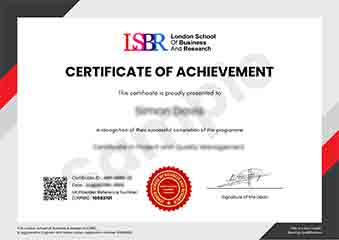
Sample Certificate
Preview the certificate you'll receive upon successful completion of this program.
Get Free Course Info
Receive detailed course information, curriculum breakdown, and career outcomes straight to your inbox.
Employer Sponsored?
Many employers cover professional development costs. Request a corporate invoice and we'll handle the rest. Bulk enrollment discounts available for teams of 3+.
Your Path to Certification
Four simple steps to your professionally recognised qualification
Enroll & Get Instant Access
Complete your enrollment and access course materials immediately
Study at Your Own Pace
Work through the modules on your schedule, from anywhere in the world
Complete Assessments
Demonstrate your knowledge through practical, real-world assessments
Receive Your Certificate
Get your official LSBR UK certificate, recognised across 180+ countries
Join Thousands Who Transformed Their Careers
Our graduates consistently report measurable career growth and professional advancement after completing their programmes.
What People Say About Us
Hear from our students about their experience with the Undergraduate Certificate in Decolonizing Linguistic Landscapes at LSBR UK - Executive Education.
James Thompson
United Kingdom"The course provided a deep dive into the complexities of linguistic landscapes, offering high-quality material that challenged my understanding of language in diverse cultural contexts. Gaining skills to analyze and interpret linguistic environments practically prepared me for roles in urban planning and community development."
Kavya Reddy
India"This course has been incredibly valuable in enhancing my understanding of linguistic diversity and its representation in public spaces. It has equipped me with practical skills to analyze and improve linguistic landscapes, making me more competitive in the job market for roles that require cultural sensitivity and linguistic awareness."
Klaus Mueller
Germany"The course structure is well-organized, providing a clear path from theoretical concepts to practical applications in decolonizing linguistic landscapes, which has significantly broadened my understanding and approach to language policy and planning."
Still deciding?
Join 23,000+ professionals who advanced their careers. Enroll today and start learning immediately.
Enroll NowSecure payment • Instant access • Certificate included