
Undergraduate Certificate in Dynamic Systems in Earthquake Engineering
This certificate program equips students with advanced skills in analyzing and mitigating earthquake impacts on dynamic systems, enhancing structural resilience.
Undergraduate Certificate in Dynamic Systems in Earthquake Engineering
Programme Overview
The Undergraduate Certificate in Dynamic Systems in Earthquake Engineering is designed for students and professionals with a background in engineering or a related field who wish to deepen their understanding of the complex interactions between dynamic systems and earthquake engineering. This program focuses on the principles of structural dynamics, seismic analysis, and the design of structures to withstand seismic forces, integrating theoretical knowledge with practical application through hands-on laboratory experiences and real-world project work. Students will explore topics such as earthquake physics, soil-structure interaction, and advanced structural analysis techniques, preparing them to analyze and mitigate the effects of earthquakes on built environments.
Through this program, learners will develop a robust set of skills and knowledge, including the ability to conduct seismic risk assessments, apply advanced modeling techniques for dynamic systems, and design resilient structural systems. They will also gain proficiency in using specialized software tools for seismic analysis and structural dynamics, enhancing their problem-solving capabilities and analytical skills. By the completion of this certificate, students will be well-equipped to contribute to the field of earthquake engineering, either through further academic pursuits or by applying their skills in professional settings.
The career impact of this program is significant, as graduates will be prepared to work in various roles within the field, such as structural engineers, earthquake seismologists, and project managers. They will be able to contribute to the development of safer infrastructure, disaster response planning, and the advancement of earthquake-resistant technologies, thereby making a meaningful impact on public safety and infrastructure resilience.
What You'll Learn
The Undergraduate Certificate in Dynamic Systems in Earthquake Engineering equips students with a robust foundation in advanced engineering principles, focusing on the dynamic behavior of structures during seismic events. This program delves into the complex interactions between structures and earthquakes, preparing graduates to design and analyze buildings, bridges, and other critical infrastructure to withstand and mitigate earthquake impacts.
Key topics include dynamic analysis of structures, seismic design principles, material behavior under seismic loading, and the application of computational tools for simulation and prediction. Students engage in hands-on projects that simulate real-world scenarios, enhancing their ability to apply theoretical knowledge to practical problems.
Graduates emerge with the skills to contribute to the development of safer, more resilient communities. They are well-prepared for careers in earthquake engineering, structural engineering, and related fields. Many find roles in consulting firms, government agencies, and research institutions, where they can play a crucial role in designing safer buildings and infrastructure, and in advancing the science of earthquake engineering. This program not only offers a unique opportunity to learn from leading experts but also positions students for meaningful contributions in safeguarding lives and property during seismic events.
Programme Highlights
Industry-Aligned Curriculum
Developed with industry leaders for job-ready skills
Globally Recognised Certificate
Recognised by employers across 180+ countries
Flexible Online Learning
Study at your own pace with lifetime access
Instant Access
Start learning immediately, no application process
Constantly Updated Content
Latest industry trends and best practices
Career Advancement
87% report measurable career progression within 6 months
Topics Covered
- Introduction to Earthquake Engineering: Provides an overview of the discipline and its importance.: Seismic Hazard Analysis: Discusses methods for assessing ground motion and seismic hazards.
- Structural Dynamics: Explores the behavior of structures under dynamic loading.: Earthquake Resistant Design: Covers principles and methods for designing structures to withstand earthquakes.
- Soil-Structure Interaction: Examines the effects of soil conditions on structural response during earthquakes.: Advanced Topics in Dynamic Systems: Investigates specialized areas such as nonlinear dynamics and lifeline earthquake engineering.
What You Get When You Enroll
Key Facts
Audience: Engineering students, professionals
Prerequisites: Basic math, physics
Outcomes: Analyze seismic data, design earthquake-resistant structures
Ready to Advance Your Career?
Join thousands of professionals who have transformed their careers with LSBR UK
Why This Course
Enhanced Career Prospects: An Undergraduate Certificate in Dynamic Systems in Earthquake Engineering equips professionals with specialized knowledge in seismic analysis and structural dynamics, making them highly sought after in the construction and engineering sectors. This specialization can lead to roles such as earthquake engineers, structural analysts, or project managers in earthquake-prone regions.
Advanced Skill Development: The program focuses on developing skills in using advanced computational tools and software for seismic assessment and design. These skills are crucial for creating resilient infrastructure capable of withstanding seismic events, thereby enhancing job security and career growth.
Multidisciplinary Approach: This certificate integrates knowledge from civil engineering, geology, and materials science, providing a comprehensive understanding of how different elements interact during an earthquake. This multidisciplinary skill set is invaluable in multidisciplinary teams and can lead to innovative solutions in earthquake engineering.
Practical Applications: The curriculum includes hands-on projects and case studies that simulate real-world scenarios, allowing professionals to apply theoretical knowledge practically. This practical experience is essential for solving complex engineering problems and can significantly enhance an individual's problem-solving abilities and confidence in the field.
3-4 Weeks
Study at your own pace
Course Brochure
Download our comprehensive course brochure with all details
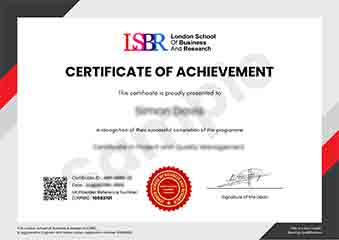
Sample Certificate
Preview the certificate you'll receive upon successful completion of this program.
Get Free Course Info
Receive detailed course information, curriculum breakdown, and career outcomes straight to your inbox.
Employer Sponsored?
Many employers cover professional development costs. Request a corporate invoice and we'll handle the rest. Bulk enrollment discounts available for teams of 3+.
Your Path to Certification
Four simple steps to your professionally recognised qualification
Enroll & Get Instant Access
Complete your enrollment and access course materials immediately
Study at Your Own Pace
Work through the modules on your schedule, from anywhere in the world
Complete Assessments
Demonstrate your knowledge through practical, real-world assessments
Receive Your Certificate
Get your official LSBR UK certificate, recognised across 180+ countries
Join Thousands Who Transformed Their Careers
Our graduates consistently report measurable career growth and professional advancement after completing their programmes.
What People Say About Us
Hear from our students about their experience with the Undergraduate Certificate in Dynamic Systems in Earthquake Engineering at LSBR UK - Executive Education.
Sophie Brown
United Kingdom"The course provided in-depth knowledge of dynamic systems and their application in earthquake engineering, which significantly enhanced my analytical and problem-solving skills. Gaining hands-on experience with seismic analysis software was invaluable and has already opened up new career opportunities in the field."
Ruby McKenzie
Australia"This course has been incredibly valuable, equipping me with advanced skills in dynamic systems analysis that are directly applicable in the field of earthquake engineering. It has not only deepened my understanding of the subject but also opened up new career opportunities in consulting firms and research institutions."
Kai Wen Ng
Singapore"The course structure is well-organized, providing a comprehensive understanding of dynamic systems in earthquake engineering that directly translates to real-world applications, significantly enhancing my professional growth in the field."
Still deciding?
Join 23,000+ professionals who advanced their careers. Enroll today and start learning immediately.
Enroll NowSecure payment • Instant access • Certificate included