
Undergraduate Certificate in Estuarine Ecology and Research Methods
Gain expertise in estuarine ecology and research methodologies, earning an undergraduate certificate to enhance career prospects in environmental science.
Undergraduate Certificate in Estuarine Ecology and Research Methods
About This Course
The Undergraduate Certificate in Estuarine Ecology and Research Methods is designed for students with an interest in coastal ecosystems, environmental science, and sustainability. This program offers a comprehensive introduction to the biological, chemical, and physical processes that define estuarine environments, along with the methodologies required for conducting research in these settings. It is ideal for students who wish to deepen their understanding of estuarine systems and prepare for careers in environmental management, conservation, and research.
Participants in this program will develop a robust set of skills and knowledge. They will gain expertise in field sampling techniques, data analysis, and statistical methods specifically tailored to ecological research. The curriculum also emphasizes the importance of interdisciplinary approaches, integrating knowledge from biology, chemistry, and geology to understand the complex dynamics of estuarine ecosystems. Students will learn about the impacts of human activities on estuaries and the strategies for mitigating these effects, preparing them to address real-world environmental challenges.
Upon completion, graduates will be well-equipped to pursue careers in environmental consultancy, government agencies, non-profit organizations, and academic research. The program’s focus on practical skills and theoretical knowledge makes graduates highly competitive in the job market, particularly in roles that require a strong foundation in estuarine ecology and research methodologies.
What You Will Learn
Explore the dynamic and vital ecosystems at the confluence of rivers and oceans with the Undergraduate Certificate in Estuarine Ecology and Research Methods. This comprehensive program equips students with a deep understanding of estuarine systems, including their biological, chemical, and physical characteristics, and the interplay between human activities and these environments. Key topics include the assessment of water quality, the ecology of marine and freshwater organisms, and the use of advanced research techniques to study these ecosystems.
Students will engage in hands-on research projects, fieldwork, and laboratory experiments, providing them with practical skills in data collection, analysis, and interpretation. This experiential learning fosters critical thinking and problem-solving skills, essential for addressing environmental challenges.
Graduates of this program are well-prepared for careers in environmental consulting, water resource management, and conservation biology. They can work with local, state, and federal agencies, non-profit organizations, and research institutions. Many graduates also pursue advanced degrees in environmental science, ecology, or related fields, contributing to the next generation of environmental stewards and researchers.
By focusing on the intricate relationships within estuarine systems, this program not only prepares students for diverse career paths but also empowers them to contribute to the sustainable management and protection of these critical ecosystems.
Course Benefits
Industry-Aligned Curriculum
Developed with industry leaders for job-ready skills
Globally Recognised Certificate
Recognised by employers across 180+ countries
Flexible Online Learning
Study at your own pace with lifetime access
Instant Access
Start learning immediately, no application process
Constantly Updated Content
Latest industry trends and best practices
Career Advancement
87% report measurable career progression within 6 months
What This Course Covers
- Introduction to Estuarine Ecology: Introduces students to the unique characteristics and biotic communities of estuarine environments.: Physical Processes in Estuaries: Examines the hydrodynamics, sedimentation, and water quality dynamics in estuarine systems.
- Biological Interactions: Studies the interactions between organisms and their environment, including food webs and trophic dynamics.: Data Collection and Analysis: Teaches the use of various sampling techniques and statistical methods for analyzing estuarine data.
- Environmental Monitoring and Management: Focuses on the monitoring strategies and management practices for maintaining estuarine health.: Research Design and Reporting: Guides students through the process of designing research studies and presenting results effectively.
Everything You Get With This Course
Course Facts
Audience: Environmental science students, ecologists
Prerequisites: High school diploma, basic science knowledge
Outcomes: Understand estuarine ecosystems, research skills, data analysis
Ready to Advance Your Career?
Join thousands of professionals who have transformed their careers with LSBR UK
Why This Course Is Right for You
Enhanced Career Opportunities: Holding an Undergraduate Certificate in Estuarine Ecology and Research Methods can significantly enhance career prospects in environmental management, conservation, and research. This specialized knowledge is particularly valuable in sectors focusing on coastal and estuarine ecosystems, such as fisheries management and environmental consultancy.
Advanced Research Skills: The program equips students with robust research methodologies and analytical tools essential for conducting detailed ecological studies. These skills are crucial for contributing to scientific literature, developing effective conservation strategies, and addressing environmental challenges through empirical evidence.
Interdisciplinary Knowledge: The certificate covers a broad range of topics including biology, chemistry, and geography, providing a comprehensive understanding of estuarine systems. This interdisciplinary approach fosters a holistic view of environmental issues, making graduates well-suited for roles that require cross-disciplinary collaboration and problem-solving.
Networking and Industry Connections: Participation in the program often includes opportunities for internships and collaborations with research institutions and governmental agencies. These experiences not only build a strong professional network but also ensure that graduates are well-prepared for immediate entry into the workforce or further academic pursuits in the field.
3-4 Weeks
Study at your own pace
Course Brochure
Download our comprehensive course brochure with all details
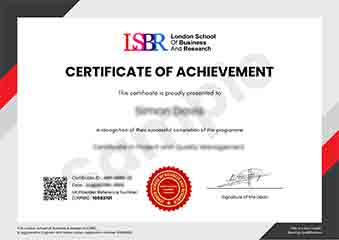
Sample Certificate
Preview the certificate you'll receive upon successful completion of this program.
Get Free Course Info
Receive detailed course information, curriculum breakdown, and career outcomes straight to your inbox.
Employer Sponsored?
Many employers cover professional development costs. Request a corporate invoice and we'll handle the rest. Bulk enrollment discounts available for teams of 3+.
How You Earn Your Certificate
Four simple steps to your professionally recognised qualification
Enroll & Get Instant Access
Complete your enrollment and access course materials immediately
Study at Your Own Pace
Work through the modules on your schedule, from anywhere in the world
Complete Assessments
Demonstrate your knowledge through practical, real-world assessments
Receive Your Certificate
Get your official LSBR UK certificate, recognised across 180+ countries
Real Results from Real Learners
Our graduates consistently report measurable career growth and professional advancement after completing their programmes.
Reviews from Our Learners
Hear from our students about their experience with the Undergraduate Certificate in Estuarine Ecology and Research Methods at LSBR UK - Executive Education.
James Thompson
United Kingdom"The course provided an in-depth understanding of estuarine ecosystems and equipped me with essential research methods, significantly enhancing my analytical and fieldwork skills. It has opened up new career opportunities in environmental science and conservation."
Ryan MacLeod
Canada"This certificate has been incredibly valuable, equipping me with the skills to analyze estuarine ecosystems effectively. It has opened up new career opportunities in environmental consulting and research, making my resume stand out to potential employers."
Rahul Singh
India"The course structure is well-organized, providing a comprehensive overview of estuarine ecology that seamlessly integrates theoretical knowledge with practical research methods, enhancing my understanding of real-world environmental issues and fostering my professional growth in the field."
Need more time to decide?
Join 23,000+ professionals who advanced their careers. Enroll today and start learning immediately.
Enroll NowSecure payment • Instant access • Certificate included