
Undergraduate Certificate in Tactile Model Making for Architecture
Develops architectural modeling skills, enhancing design communication and presentation abilities.
Undergraduate Certificate in Tactile Model Making for Architecture
Programme Overview
The Undergraduate Certificate in Tactile Model Making for Architecture is a comprehensive programme designed for students and professionals seeking to develop expertise in creating physical models of architectural designs. This certificate programme is tailored for architecture students, architects, and designers who want to enhance their skills in communicating design ideas through tangible models. The programme covers the principles and techniques of tactile model making, including materials, tools, and fabrication methods.
Through a combination of lectures, workshops, and studio-based projects, learners will develop practical skills in designing and building tactile models, as well as understanding the role of model making in the architectural design process. They will learn to select and apply various materials, such as wood, foam, and D printing, to create models that effectively convey design concepts and ideas. The programme also focuses on developing critical thinking and problem-solving skills, enabling learners to approach complex design challenges with creativity and confidence.
Upon completing the programme, graduates will be equipped to create high-quality tactile models that enhance their architectural design presentations and communications. This expertise will have a direct impact on their career prospects, enabling them to work effectively with architects, designers, and clients to bring design concepts to life.
What You'll Learn
The Undergraduate Certificate in Tactile Model Making for Architecture equips students with the technical skills and creative expertise to produce high-quality, detailed models that effectively communicate architectural designs. In today's professional landscape, tactile models remain a crucial tool for architects, designers, and developers to visualize and refine their projects, making this programme highly valuable and relevant.
Key topics covered include manual drafting, model construction techniques, and computer-aided design (CAD) software, such as Autodesk and Rhino. Students develop competencies in materials selection, texturing, and finishing, as well as an understanding of architectural scales, proportions, and presentation methods.
Graduates apply these skills in real-world settings, working on architectural projects that require precise model making, such as urban planning, landscape design, and building development. They create scale models that help stakeholders visualize and interact with proposed designs, facilitating feedback and refinement.
Upon completion of the programme, graduates can pursue career advancement opportunities in architectural practices, design firms, and model making studios, or work as freelance model makers. They can also apply their skills in related fields, such as exhibition design, product design, and special effects. The certificate programme provides a competitive edge in the job market, demonstrating expertise in a specialized skill that is highly valued in the architecture and design industries.
Programme Highlights
Industry-Aligned Curriculum
Developed with industry leaders for job-ready skills
Globally Recognised Certificate
Recognised by employers across 180+ countries
Flexible Online Learning
Study at your own pace with lifetime access
Instant Access
Start learning immediately, no application process
Constantly Updated Content
Latest industry trends and best practices
Career Advancement
87% report measurable career progression within 6 months
Topics Covered
- Introduction to Tactile Models: Basic tactile model making skills.
- Architectural Drafting Fundamentals: Understanding architectural drawing techniques.
- Model Making Materials: Exploring various model making materials.
- Tactile Representation Techniques: Developing tactile representation skills.
- Architectural Design Applications: Applying tactile models to design.
- Advanced Tactile Modeling: Creating complex tactile models.
What You Get When You Enroll
Key Facts
Target Audience: Architecture students, professionals, and enthusiasts seeking to develop tactile model making skills.
Prerequisites: No formal prerequisites required, but basic understanding of architecture principles is beneficial.
Learning Outcomes:
Develop hands-on skills in creating architectural models using various materials and techniques.
Understand scale, proportion, and detail in model making.
Apply tactile model making to communicate design ideas and concepts.
Create precise and detailed models that reflect architectural designs.
Integrate tactile model making into the design process.
Assessment Method: Quiz-based assessment evaluating understanding of tactile model making principles and techniques.
Certification: Industry-recognised digital certificate awarded upon successful completion of the programme.
Ready to Advance Your Career?
Join thousands of professionals who have transformed their careers with LSBR UK
Why This Course
The 'Undergraduate Certificate in Tactile Model Making for Architecture' programme offers a unique opportunity for professionals to enhance their skills and stay ahead in the competitive architecture industry. By combining traditional craftsmanship with cutting-edge technology, this programme enables architects, designers, and makers to create innovative and accessible tactile models that can be used in various applications, from architectural design to accessibility consulting.
The programme provides a comprehensive understanding of tactile model making, enabling professionals to develop a highly sought-after skill that can significantly enhance their career prospects. This skill is particularly valuable in the field of architecture, where tactile models can be used to communicate complex design ideas to clients and stakeholders. By mastering tactile model making, professionals can differentiate themselves in a crowded job market and increase their chances of securing high-profile projects.
The programme focuses on the development of tactile graphics and D printing skills, which are essential for creating accessible models for people with visual impairments. Professionals who complete this programme can apply their knowledge to create inclusive and accessible environments, which is a growing concern in the architecture industry. This expertise can lead to new business opportunities and collaborations with organizations that prioritize accessibility.
The programme's emphasis on hands-on learning and experimentation allows professionals to explore new materials and technologies, pushing the boundaries of what is possible in tactile model making. This creative freedom enables professionals to develop innovative solutions to complex design problems, which can lead to breakthroughs in their own practice or business. By staying at the forefront of technological advancements, professionals
3-4 Weeks
Study at your own pace
Course Brochure
Download our comprehensive course brochure with all details
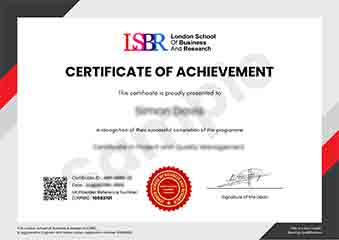
Sample Certificate
Preview the certificate you'll receive upon successful completion of this program.
Get Free Course Info
Receive detailed course information, curriculum breakdown, and career outcomes straight to your inbox.
Employer Sponsored?
Many employers cover professional development costs. Request a corporate invoice and we'll handle the rest. Bulk enrollment discounts available for teams of 3+.
Your Path to Certification
Four simple steps to your professionally recognised qualification
Enroll & Get Instant Access
Complete your enrollment and access course materials immediately
Study at Your Own Pace
Work through the modules on your schedule, from anywhere in the world
Complete Assessments
Demonstrate your knowledge through practical, real-world assessments
Receive Your Certificate
Get your official LSBR UK certificate, recognised across 180+ countries
Join Thousands Who Transformed Their Careers
Our graduates consistently report measurable career growth and professional advancement after completing their programmes.
What People Say About Us
Hear from our students about their experience with the Undergraduate Certificate in Tactile Model Making for Architecture at LSBR UK - Executive Education.
Sophie Brown
United Kingdom"The course material was incredibly comprehensive, covering everything from basic modeling techniques to advanced methods of representing complex architectural designs, which significantly improved my ability to effectively communicate my ideas. Through hands-on experience with various materials and tools, I gained valuable practical skills in creating precise and detailed tactile models that I can now confidently apply in real-world architectural projects. The knowledge and skills I acquired have not only enhanced my understanding of architectural design but also greatly boosted my career prospects in the field."
Jia Li Lim
Singapore"The Undergraduate Certificate in Tactile Model Making for Architecture has been instrumental in enhancing my ability to effectively communicate architectural designs, allowing me to bring ideas to life in a tangible and engaging way. Through this course, I've developed a unique combination of technical skills and creative flair that has significantly boosted my confidence and employability in the competitive architecture industry. As a result, I've been able to secure a coveted role at a prestigious architecture firm, where I'm now applying my skills to contribute to innovative and award-winning projects."
Ashley Rodriguez
United States"The course structure was well-organized, allowing me to progressively build my skills in tactile model making and apply them to various architectural contexts, which greatly enhanced my understanding of the subject. I appreciated the comprehensive content, which covered a wide range of techniques and materials, providing me with a solid foundation for future projects and real-world applications. Through this course, I gained valuable knowledge that will undoubtedly contribute to my professional growth as an architecture student."
Still deciding?
Join 23,000+ professionals who advanced their careers. Enroll today and start learning immediately.
Enroll NowSecure payment • Instant access • Certificate included